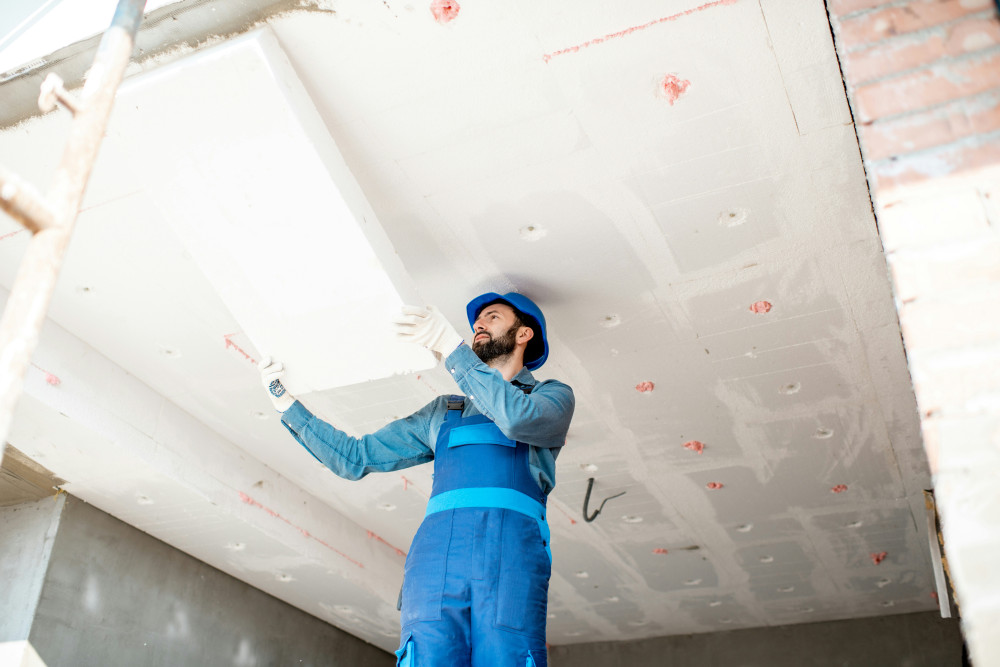
Insulating Holiday Homes – Tailored to Season and Use

Insulating Holiday Homes – Tailored to Season and Use
A holiday home should be a place of comfort and relaxation – whether it’s a seaside cottage for summer getaways or a countryside retreat used all year round. But comfort depends greatly on how well the property is insulated. Many older holiday homes in the UK were built for seasonal use, and without proper insulation they can quickly become cold, damp, and expensive to heat outside the summer months. Here’s a guide to how you can adapt the insulation of your holiday home to suit both season and use.
Start by understanding your property and how you use it
Before you begin any insulation work, think about how and when the property is used. Is it a summer escape from May to September, or do you want to enjoy it through autumn and winter as well?
- Summer use: Focus on ventilation and solar shading to prevent overheating. A light level of insulation can still make evenings more comfortable and reduce temperature swings.
- Year-round use: Comprehensive insulation is essential – not only to retain heat but also to keep dampness at bay. This usually means insulating the roof, walls, floors, and upgrading windows and doors.
A professional energy assessment can help identify where heat is lost and where improvements will have the greatest impact.
Roof and loft insulation – the biggest energy saver
Up to 25–35% of heat loss in a typical holiday home can occur through the roof. That’s why loft insulation is often the most effective first step.
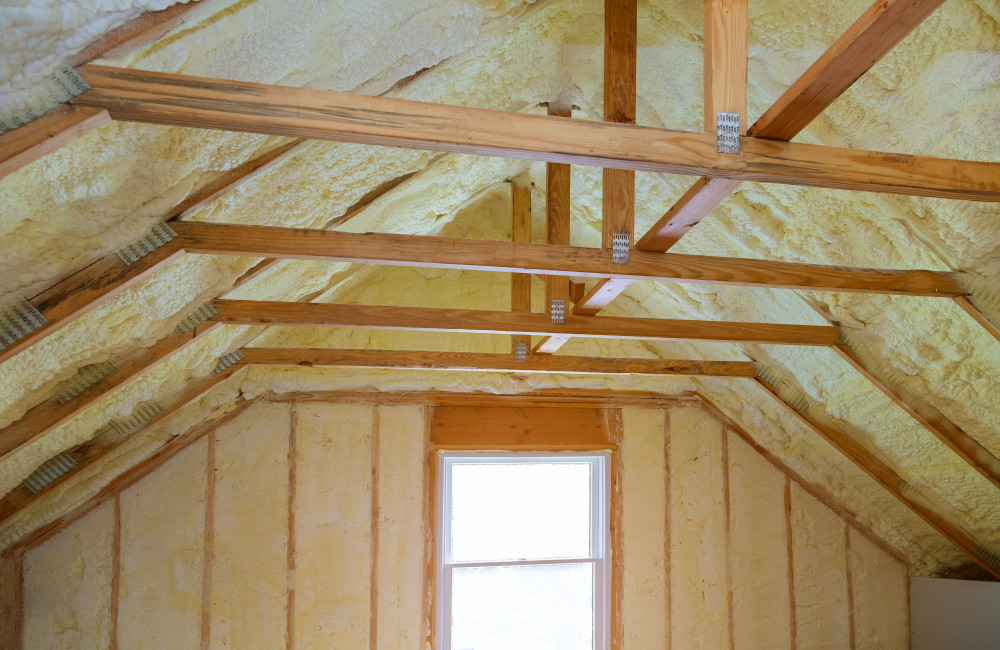
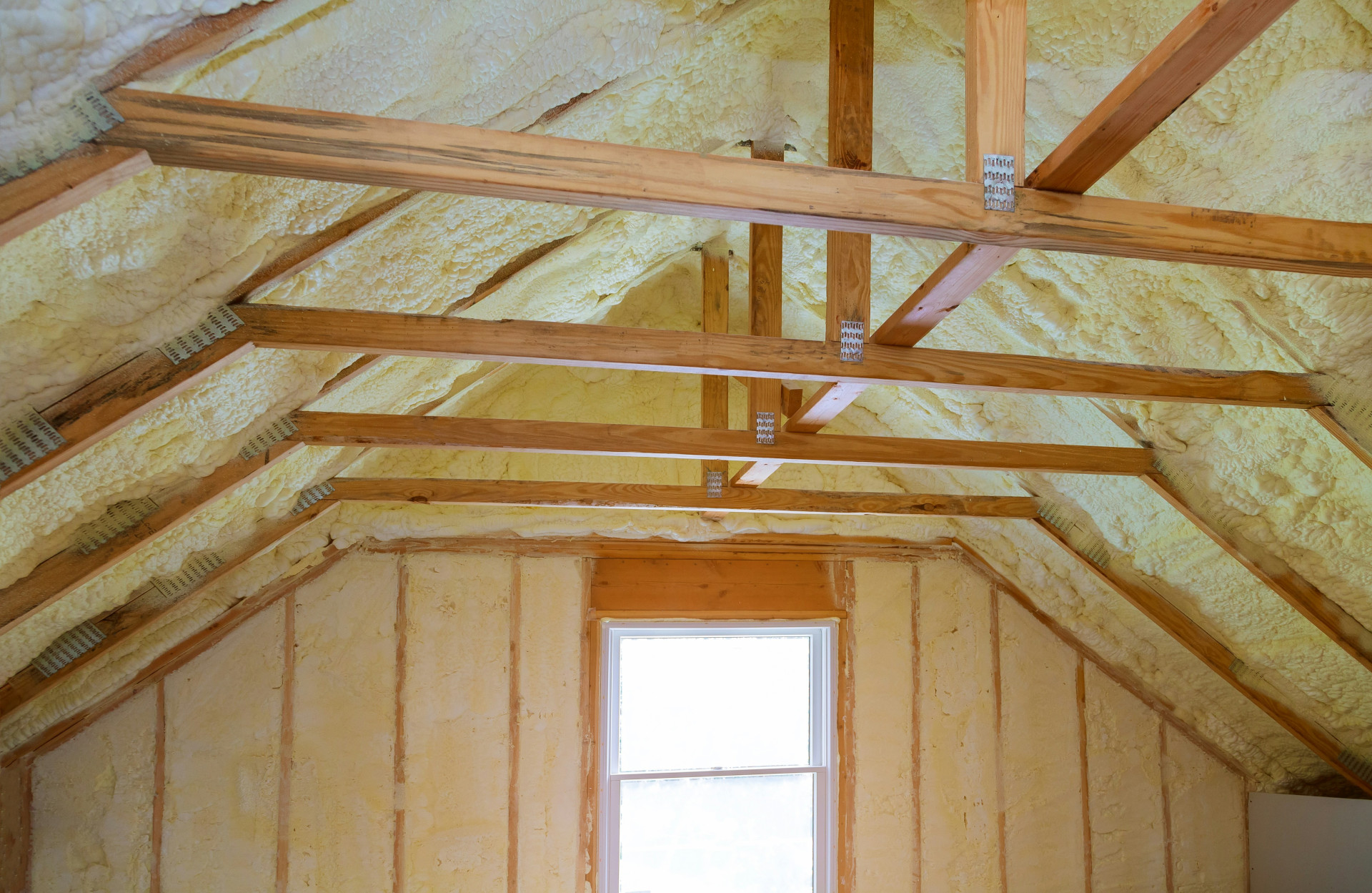
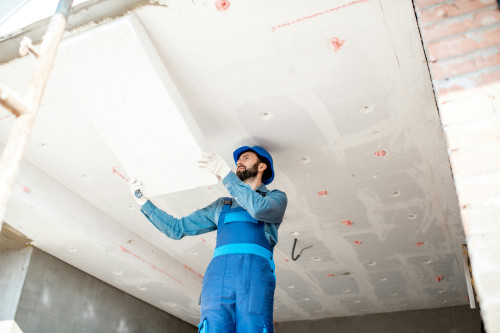
If your property has an accessible loft, insulation can be laid over the joists. For vaulted ceilings or rooms open to the rafters, insulation must be fitted between and possibly above the rafters – a more involved but worthwhile job.
Recommended insulation thickness:
- Seasonal use: Around 150 mm may be sufficient.
- Year-round use: Aim for 270 mm or more to meet modern energy standards.
Walls and floors – comfort and moisture control
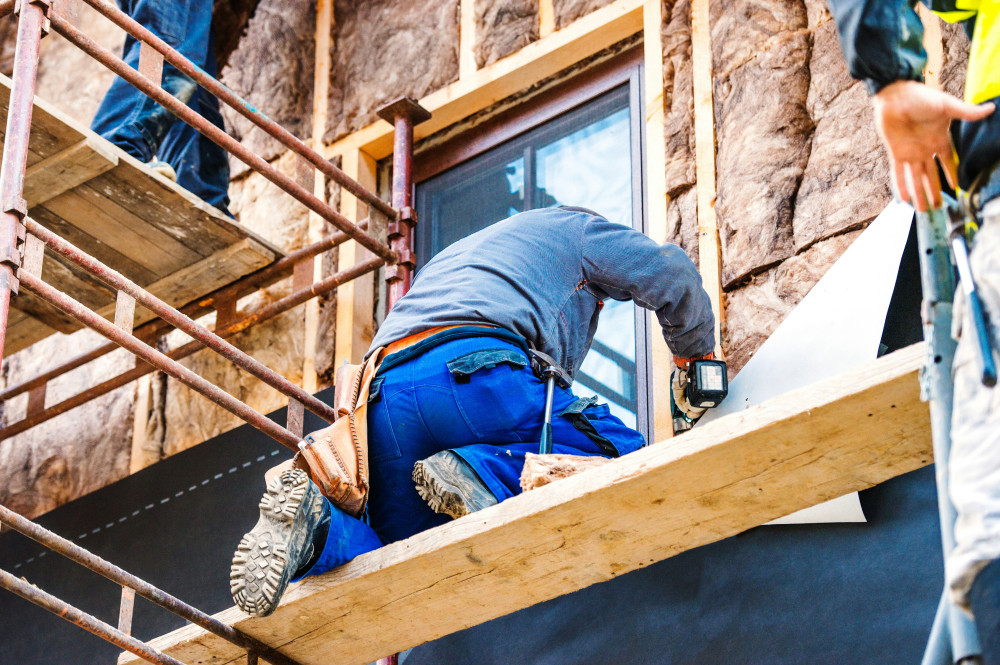
Many traditional holiday homes, especially timber or stone cottages, have walls that offer little thermal resistance. Internal wall insulation using mineral wool or wood fibre boards can make a big difference, but it’s vital to include a proper vapour barrier to prevent condensation within the structure.
Floors are another key area. Older properties often have suspended timber floors with cold air circulating beneath. If there’s access, insulation can be fitted between the joists from below. Alternatively, a new insulated floor can be laid on top. The result is warmer feet and lower heating bills.
Windows and doors – small changes, big impact
Even the best insulation won’t perform well if windows and doors are draughty. If replacement isn’t an option, improve airtightness with new seals and draught-proofing strips.
For homes used throughout the year, consider upgrading to double or triple glazing. Modern energy-efficient windows retain heat better, reduce condensation, and can include solar control coatings to prevent overheating in summer.
Ventilation – essential for a healthy indoor climate
As insulation improves, homes become more airtight, making ventilation increasingly important. Without adequate airflow, moisture and mould can quickly become problems.
For properties used occasionally, natural ventilation through windows and wall vents may be enough. For year-round use, a mechanical ventilation system with heat recovery can be a smart investment – it provides fresh air without wasting heat.
Choosing materials – balancing performance and sustainability
There’s a wide range of insulation materials available in the UK, from conventional mineral wool to eco-friendly alternatives such as wood fibre, hemp, and cellulose.
- Mineral wool is affordable, effective, and easy to install.
- Wood fibre and hemp offer excellent breathability and sustainability, though they come at a higher cost.
- Cellulose (recycled paper) can be blown into cavities, making it ideal for retrofitting older buildings.
Your choice will depend on budget, building type, and environmental priorities.
Læs også:

Costs, permissions, and practicalities
Insulation is an investment that pays off through lower energy bills and improved comfort. However, if you plan major alterations – such as converting a seasonal property for full-time living – you may need planning permission and must comply with Building Regulations for thermal performance and ventilation.
It’s wise to consult a qualified energy assessor or building professional before starting work, especially for listed or heritage properties where materials and methods may be restricted.
A holiday home that fits your lifestyle
The best insulation strategy depends on how you use your holiday home. For some, it’s about extending the season into spring and autumn; for others, it’s about creating a cosy retreat for all seasons.
Whatever your goal, good insulation is the key to a more comfortable, healthy, and energy-efficient home – one where you can enjoy peace, warmth, and the beauty of your surroundings, no matter the weather.
Læs også: