Draughts and Leaks: Identify the Causes and Prevent the Problem


Draughts and Leaks: Identify the Causes and Prevent the Problem
Draughts and leaks in your home can be both uncomfortable and costly. They make rooms feel cold, increase heating bills, and can even lead to damp and mould problems. Fortunately, with a bit of knowledge and a systematic approach, you can find the causes – and prevent the issue from returning. Here’s a guide to spotting, fixing, and avoiding draughts in your home.
Why Do Draughts Occur?
A draught happens when cold air from outside enters your home through gaps or cracks in the building’s structure. This can occur around windows and doors, at the junctions between walls and floors, through electrical fittings, or around pipework. Even small gaps can cause noticeable cold spots because air moves quickly through them.
In older British homes, draughts are often caused by worn seals, single-glazed windows, or poor insulation. In newer properties, they may result from gaps around service penetrations or poorly fitted windows and doors. Whatever the cause, the result is the same: discomfort and wasted energy.
Læs også:


How to Find the Source of a Draught
The first step is to locate where the cold air is coming in. You can do this in several ways:
- The hand test: Move your hand slowly around window frames, door edges, and skirting boards. If you feel cold air, there’s likely a leak.
- The candle test: Turn off any fans or ventilation, close windows, and light a candle. Move it along walls and joints – if the flame flickers, you’ve found a draught.
- Smoke or incense test: A stick of incense can reveal even small air movements.
- Professional air pressure test (blower door test): An energy assessor can measure how airtight your home is and pinpoint leaks precisely.
Once you’ve identified the source, you can decide whether it’s a simple DIY fix or if professional help is needed.
Common Places Where Draughts Occur
Some areas of the home are more prone to leaks than others:
- Windows and doors: Worn seals, loose frames, or cracked putty are common culprits.
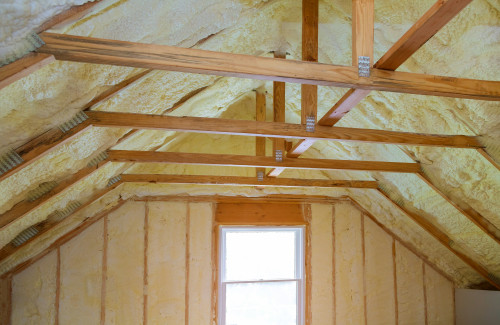
- Loft and roof: Gaps around the loft hatch, light fittings, or roof penetrations can let warm air escape.
- Floors and skirting boards: Cracks between floorboards or gaps where the floor meets exterior walls can cause cold air to seep in.
- Vents and extractor fans: Poorly fitted or unsealed vents can act as open channels for cold air.
- Pipes and cables: Small holes around plumbing or electrical cables can add up to significant heat loss.
How to Fix Draughts and Leaks
Once you’ve found the problem areas, it’s time to seal them. Here are some effective solutions:
- Replace seals and draught excluders: Old rubber or foam seals around windows and doors lose flexibility over time. New ones can make a big difference.
- Apply sealant: Use flexible sealant around window frames, door surrounds, and joints where cracks appear.
- Insulate the loft hatch: Fit draught-proof strips and add insulation to the hatch cover to stop warm air escaping.
- Seal around pipes and cables: Use purpose-made grommets or expanding foam to close gaps.
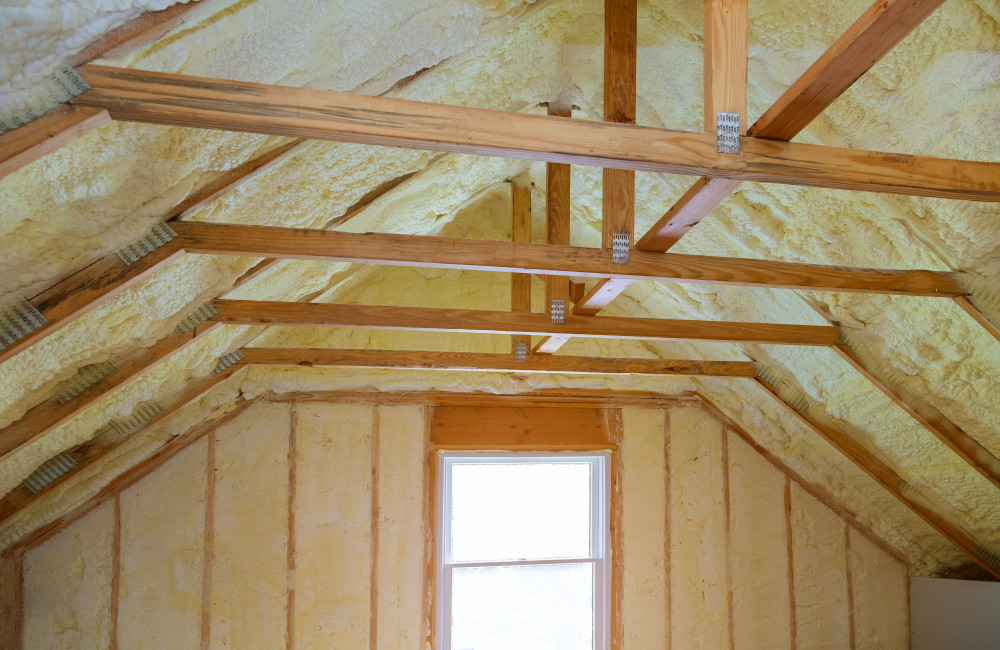
- Add insulation: If walls, floors, or lofts are poorly insulated, consider upgrading. It reduces draughts and saves energy.
Always use materials suitable for your building type, and make sure sealing work doesn’t block essential ventilation.
Preventing Future Draughts
Once your home is sealed, it’s important to keep it that way. Here’s how to maintain a warm, energy-efficient home:
- Maintain windows and doors: Check seals and caulking annually, especially after winter.
- Ensure proper ventilation: A well-sealed home still needs fresh air to prevent condensation and maintain good air quality.
- Monitor your energy use: A sudden rise in heating costs can indicate new leaks.
- Get an energy assessment: A professional review can identify weak spots before they become major issues.
A Warm, Efficient Home
Eliminating draughts isn’t just about comfort – it’s an investment in your home’s health and efficiency. A well-sealed property retains heat better, reduces the risk of damp, and provides a more stable indoor climate. With regular maintenance and attention to detail, you can keep the cold outside and the warmth where it belongs – inside your home.
Læs også: