Avoid Damp Problems When Improving Your Home’s Energy Efficiency

Avoid Damp Problems When Improving Your Home’s Energy Efficiency
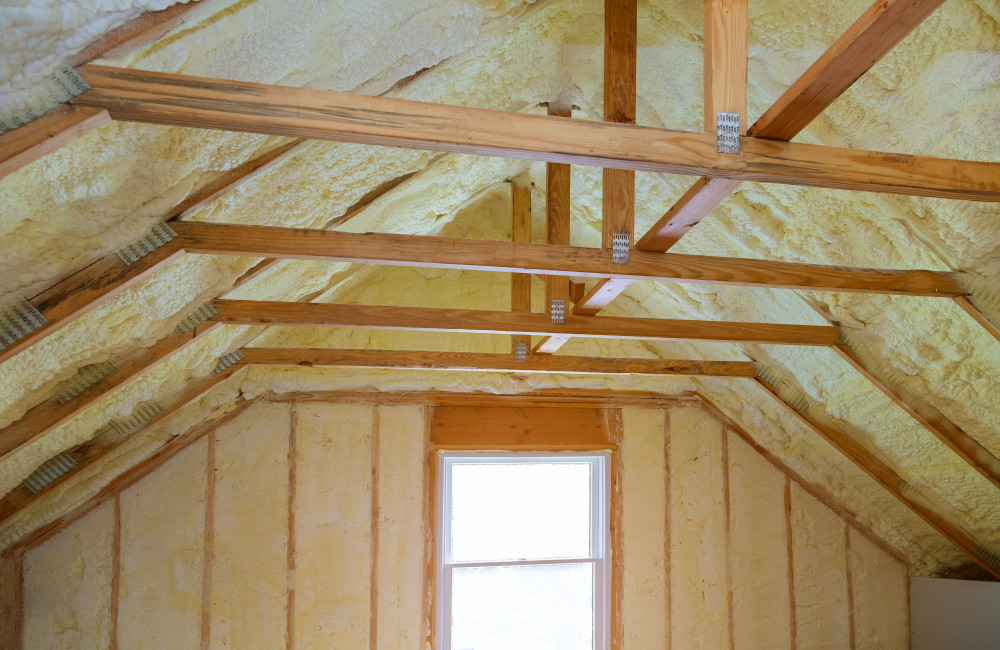
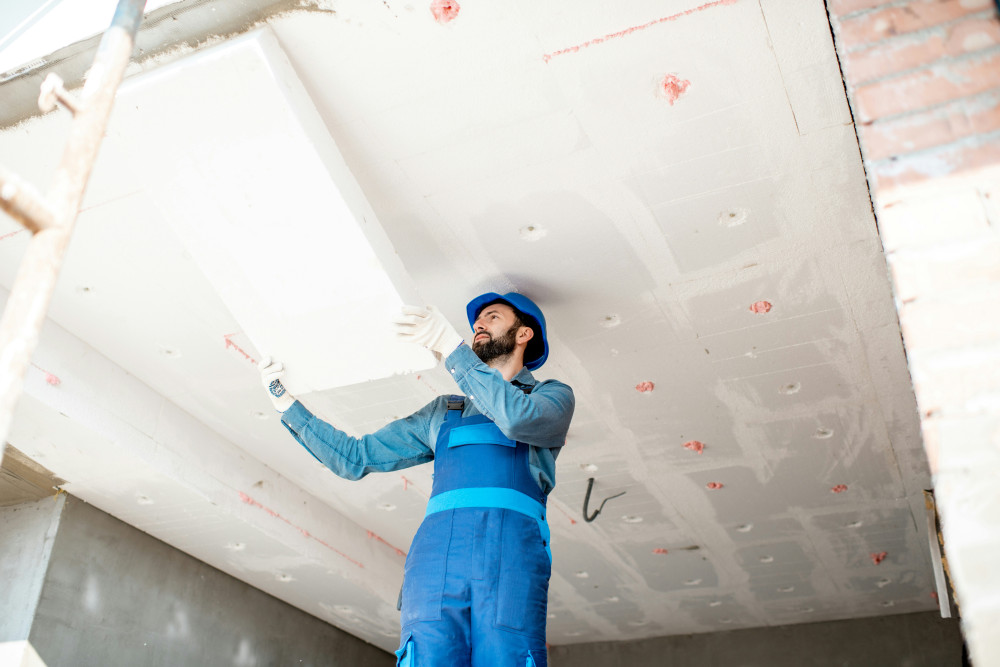
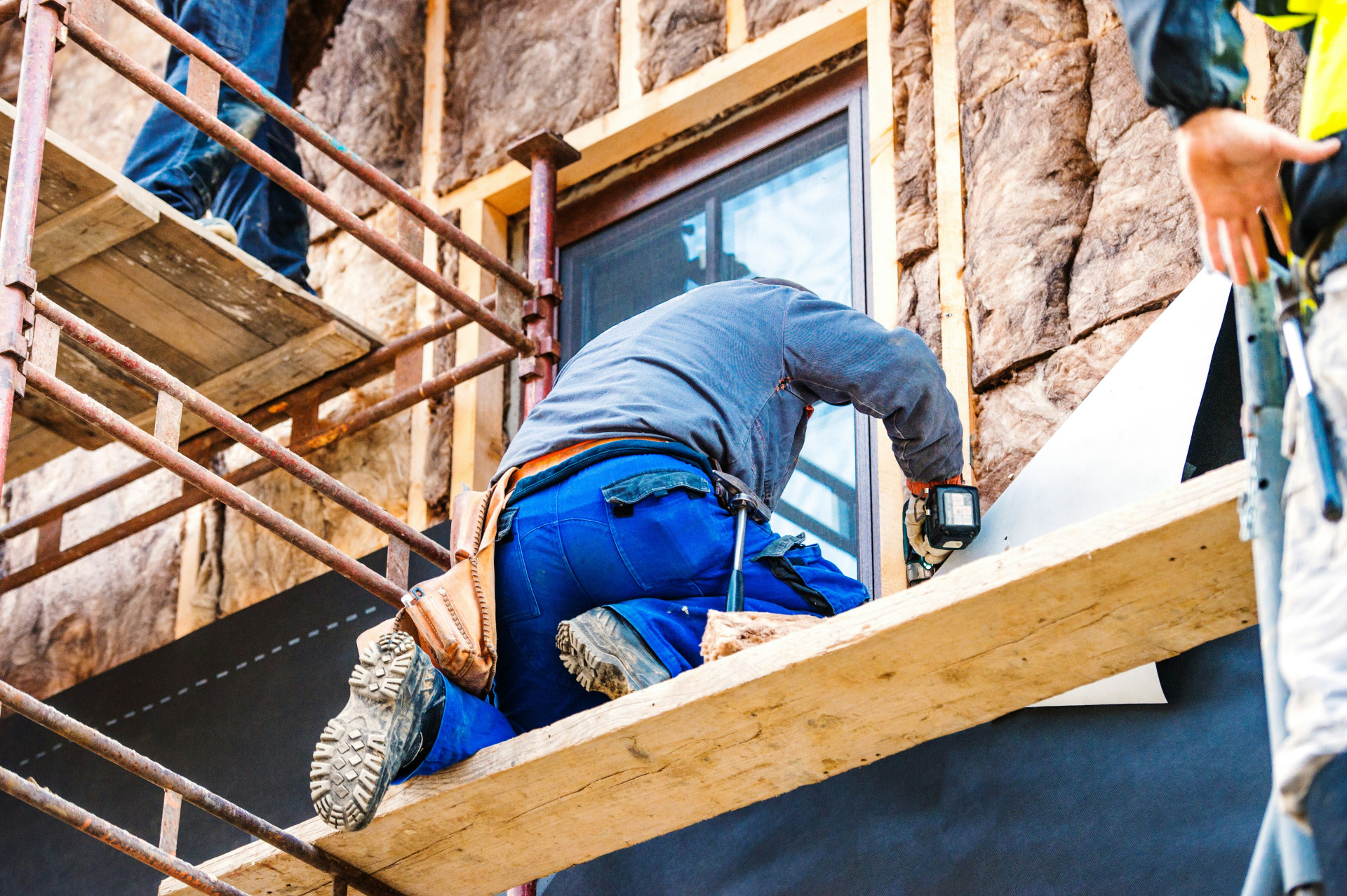
Improving your home’s energy efficiency – for example by adding insulation, replacing windows, or sealing draughts – can save you money and reduce your carbon footprint. But energy upgrades also change how heat and moisture move through your home. If you don’t take that into account, you could end up with damp, mould, or even structural damage. Here’s how to make your home warmer and greener without creating new moisture problems.
Understand How Moisture Moves Through Your Home
Moisture is everywhere – in the air, in building materials, and in everyday activities. Cooking, showering, and drying clothes all release water vapour, which naturally tries to escape through the building fabric. In older, draughty homes, much of that moisture leaked out through gaps and cracks. But when you make your home more airtight, that moisture can get trapped inside unless you provide proper ventilation.
That’s why it’s important to understand that energy improvements change the balance between heat, air, and moisture. A well-sealed home needs controlled ventilation to stay healthy.
Plan Energy Improvements as a Whole
Many damp problems arise when one part of the house is upgraded without considering the rest. For example, if you insulate the loft but not the walls, you may create cold spots where moisture condenses. Similarly, replacing windows without addressing ventilation can lead to condensation on the glass or surrounding walls.
Before starting work, it’s worth getting a whole-house energy assessment or building survey. A qualified assessor can help you understand how improvements will affect moisture levels and whether you need additional ventilation, vapour barriers, or insulation adjustments.
Læs også:
Ensure Good Ventilation
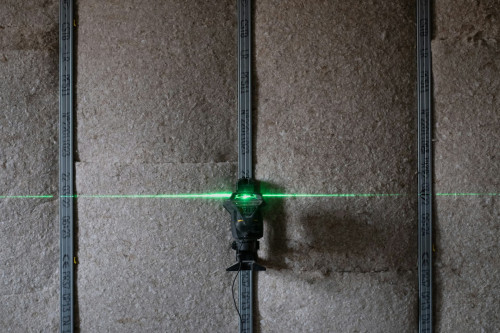
Ventilation is key to preventing damp and maintaining good indoor air quality. When you make your home more airtight, you must also make sure that moist air can escape and fresh air can enter.
There are several options:
- Natural ventilation – through trickle vents, air bricks, or by opening windows regularly. This requires consistent airing, especially after cooking or bathing.
- Mechanical ventilation with heat recovery (MVHR) – a system that automatically exchanges stale indoor air for fresh outdoor air while recovering heat. It’s energy-efficient and helps control humidity.
- Extractor fans – particularly important in kitchens, bathrooms, and utility rooms. They should vent directly outside, not into the loft or cavity walls.
Whatever system you choose, make sure it provides enough air changes for your household’s needs. A steamy bathroom or a kitchen without extraction is a common source of damp.
Watch Out for Cold Bridges and Vapour Barriers
When insulating, avoid cold bridges – areas where heat escapes and condensation can form. These often occur around window frames, at wall-to-roof junctions, or near the floor. Even small gaps can lead to moisture build-up and mould growth.
A properly installed vapour control layer (similar to a damp-proof membrane) is also essential. It prevents warm, moist indoor air from reaching colder parts of the structure where it could condense. The layer must be continuous and carefully sealed at joints and edges. Poor installation is one of the most common causes of hidden damp in DIY insulation projects.
Look for Early Signs of Damp
Even with good planning, problems can still occur. Keep an eye out for early warning signs:
- Condensation on windows or cold surfaces
- Dark patches, mould, or a musty smell in corners or behind furniture
- Peeling paint or discoloured plaster
- A heavy, humid feeling in the air
If you notice any of these, act quickly. Improving ventilation or adjusting heating patterns often helps, but persistent issues may require professional advice.
Combine Energy Savings with a Healthy Home
It’s entirely possible to have both a low-energy and a healthy home – it just takes careful planning. Think of your house as a system where heat, air, and moisture interact. Every energy improvement should be considered in relation to ventilation and moisture control.
By taking a whole-house approach, using appropriate materials, and ensuring good airflow, you can enjoy lower energy bills, a comfortable indoor climate, and a home that stays dry and healthy for years to come.
Læs også: