The Energy Label as a Shared Project: Strengthening Local Energy Communities

The Energy Label as a Shared Project: Strengthening Local Energy Communities
When we talk about the green transition, the conversation often centres on national targets and large-scale technologies. Yet much of the real change begins closer to home – in neighbourhoods, housing associations, and local groups where people come together to save energy and think differently. Here, the energy label can play a vital role as a shared reference point and a starting place for dialogue. When we understand how our buildings use energy, we can act together to use less.
From Individual Assessment to Shared Understanding
In the UK, the Energy Performance Certificate (EPC) is a legal requirement that shows how energy efficient a building is. But it can be more than just a document for estate agents and buyers. Within housing associations, community housing projects, and local neighbourhoods, the energy label can serve as a common foundation for discussion and planning.
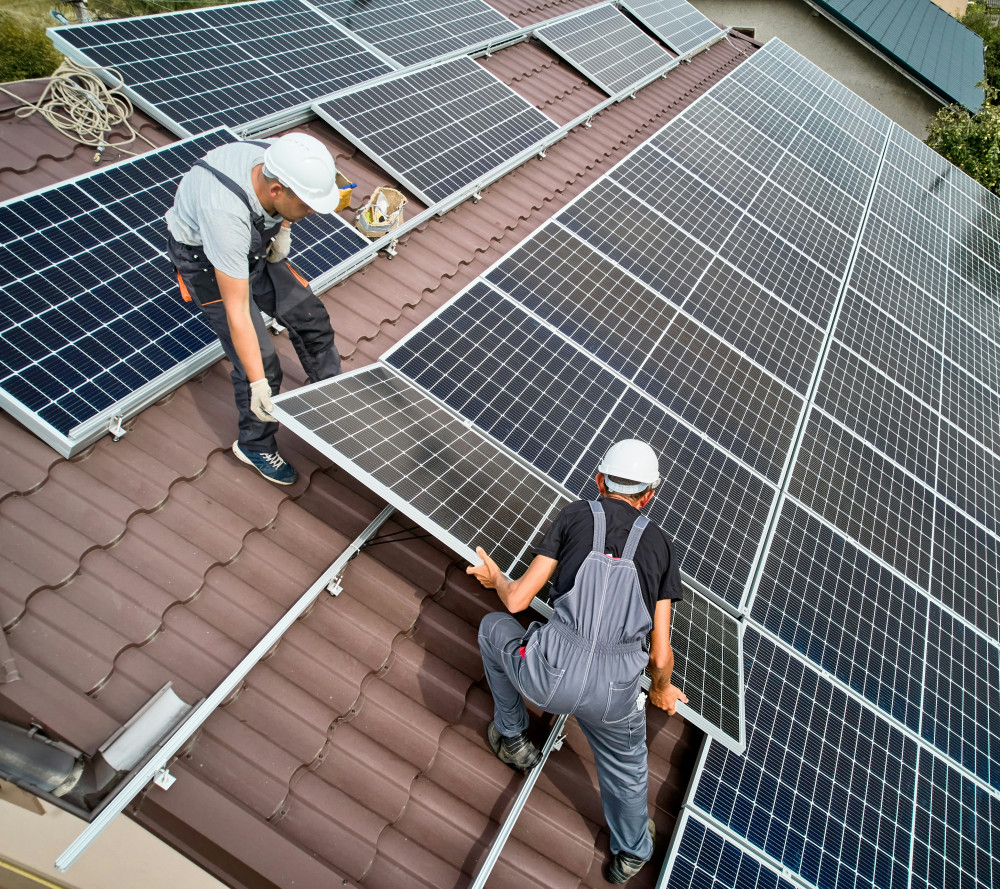
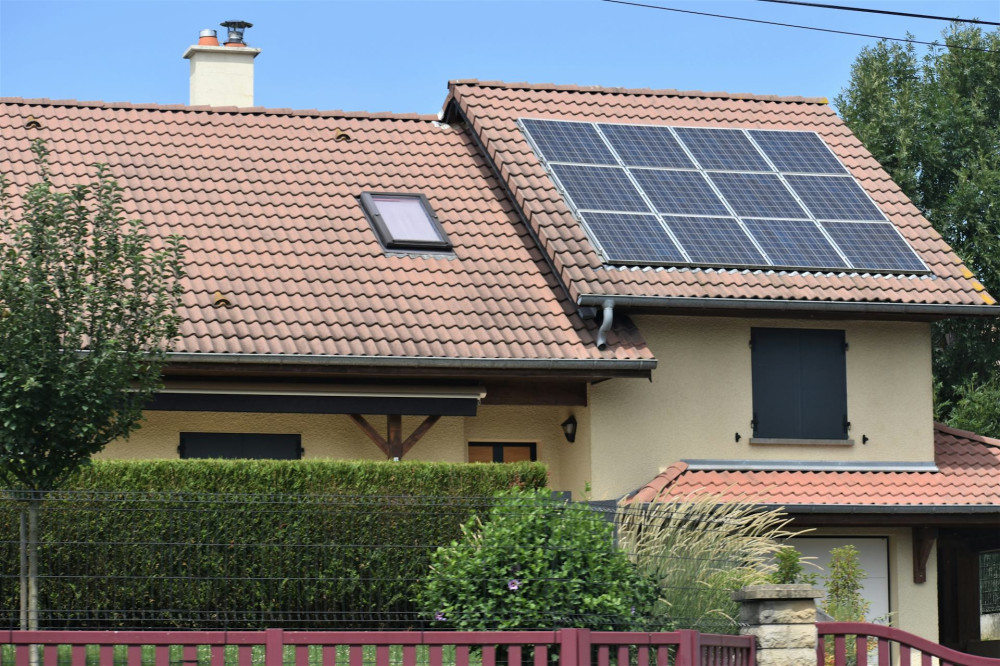
When residents see how their building performs compared to others, and what improvements are recommended, it becomes easier to take practical steps. These might include better insulation, replacing windows, or investing collectively in heat pumps or solar panels. In this way, the energy label becomes not just a technical assessment, but a tool for community engagement and action.
Local Energy Communities on the Rise
Across the UK, local energy communities are emerging. From community-owned wind turbines in Scotland to solar cooperatives in English towns, people are joining forces to produce and manage their own energy. What unites these initiatives is the desire to take control of energy use while strengthening local ties.
The energy label can act as a shared language in this process. When everyone understands the starting point for their buildings, it becomes easier to prioritise where improvements will have the greatest impact. It brings transparency and allows communities to track progress over time.
Collaboration Between Experts and Residents
A strong local energy community depends on both technical expertise and human commitment. Energy assessors, retrofit coordinators, local councils, and installers all play a key role in turning the recommendations of an energy label into real projects. But it is the residents who must take ownership.
That’s why it’s crucial that the energy label is communicated in a clear and accessible way. Workshops, community meetings, and online tools can help bring the data to life and build motivation. When people see how energy improvements can lower bills, reduce carbon emissions, and make homes more comfortable, collective action becomes much easier.
Læs også:
Shared Investment and Shared Benefits
One of the biggest barriers to energy renovation is cost. But when people act together, projects can become more affordable and appealing. Joint purchasing of materials, shared access to professional advice, and community funding schemes can all make a difference.
At the same time, local energy initiatives create new forms of value. Lower energy use means lower costs, but also healthier homes, higher property values, and stronger local networks. These are benefits that go beyond the purely financial.
A New Culture of Energy
Using the energy label as a shared project is ultimately about cultural change. It’s about seeing energy as a shared responsibility – not just as individual consumers, but as neighbours and citizens. When we work together to make our buildings more energy efficient, we strengthen both our climate efforts and our communities.
The green transition will not be driven by technology alone, but by people acting together. And the energy label can be the common starting point that makes this possible.
Læs også: