Solar carports with integrated EV charging: Why car parks are untapped energy assets

Solar carports with integrated EV charging: Why car parks are untapped energy assets
Solar carports with integrated EV charging: Why car parks are untapped energy assets
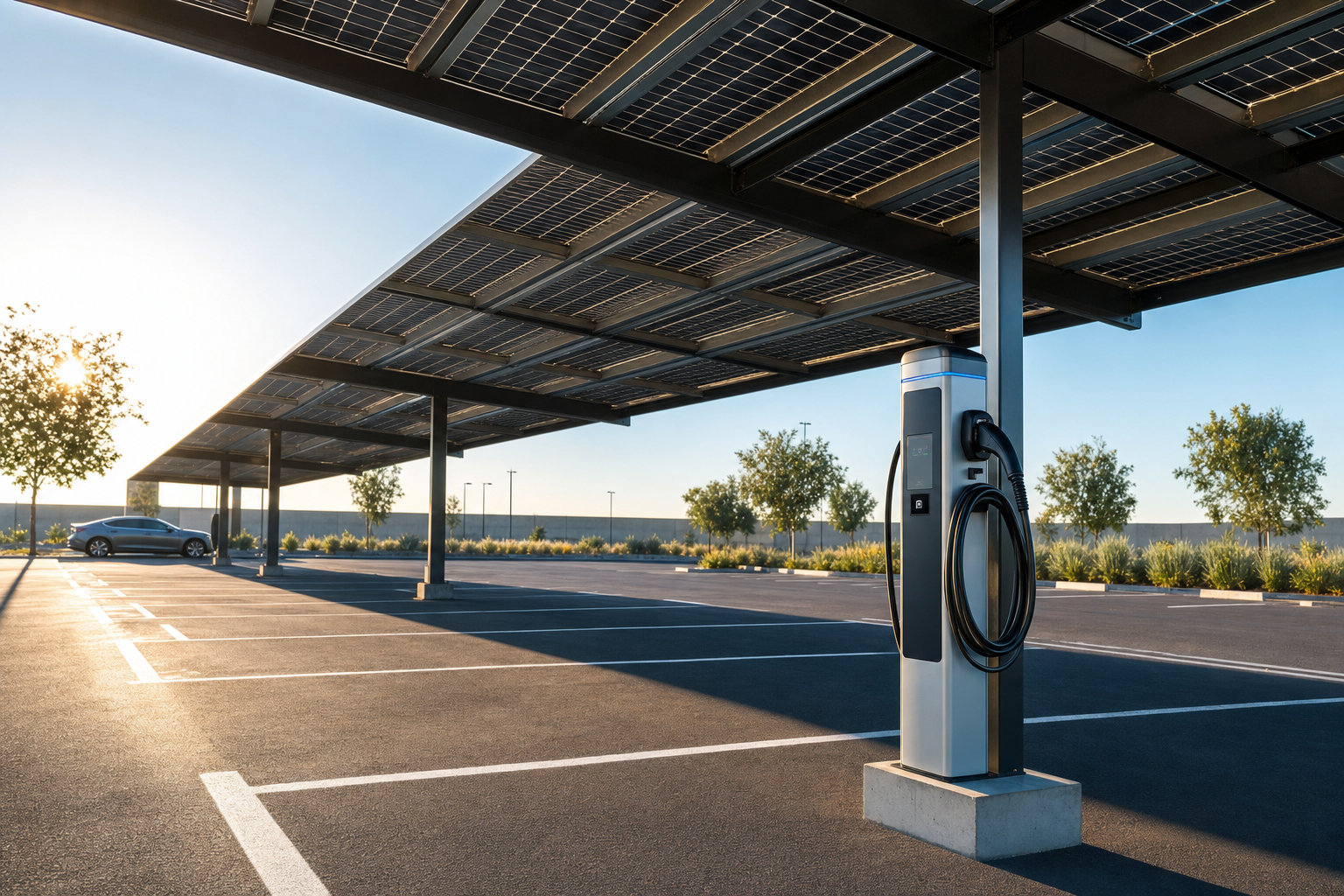
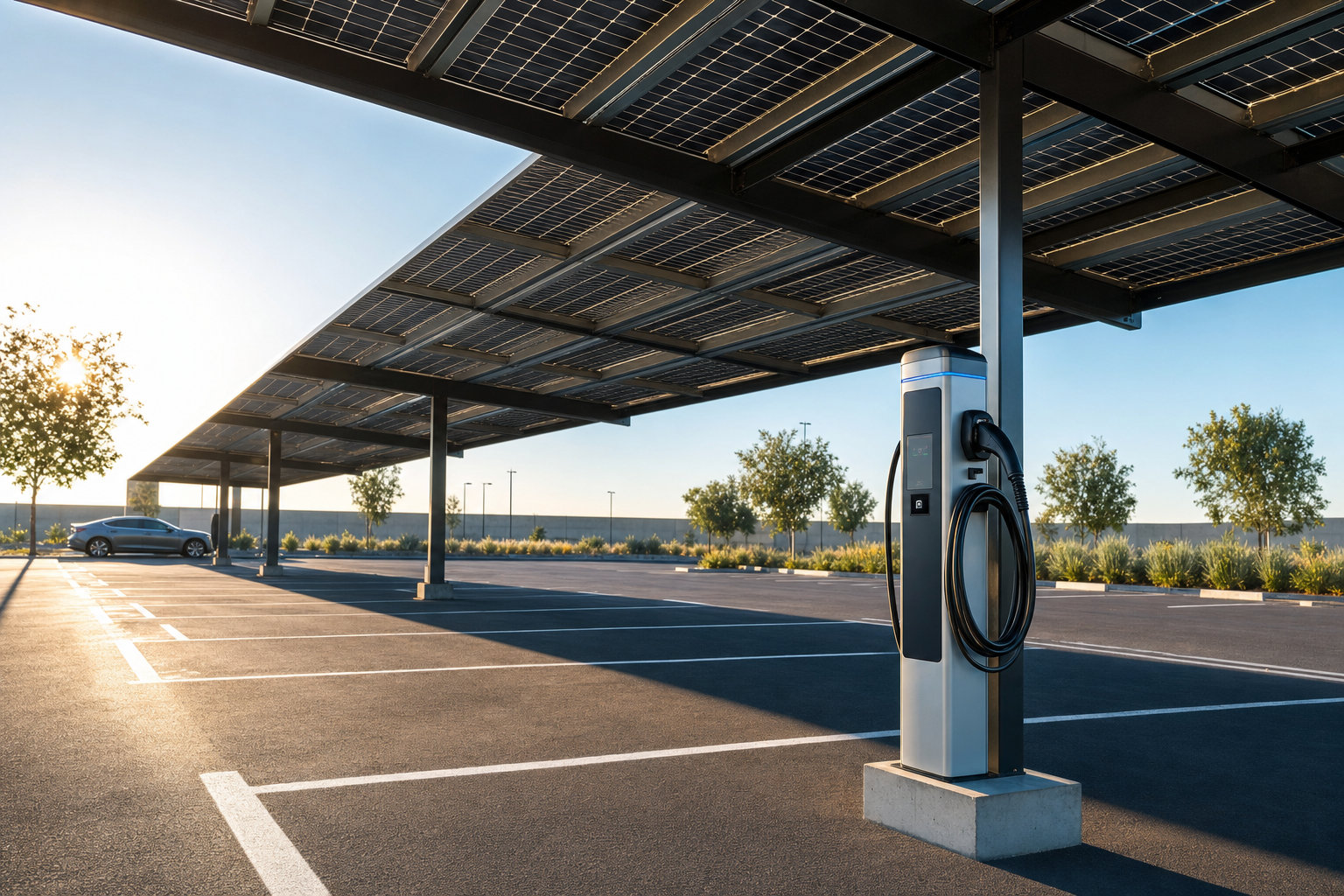
Solar carports with built-in EV charging are transforming parking areas into valuable sources of clean electricity. By harnessing solar energy on underutilised car parks, these systems can supply both vehicles and buildings with renewable power. The Cornerstone Group explains why car parks represent a significant, but often overlooked, energy resource for communities and businesses.
Shifting from passive parking to active energy generation, solar carports with integrated EV charging offer a way for property owners to increase sustainability while supporting the rise of electric vehicles. As demand for cleaner transport grows, leveraging large, open surfaces such as car parks becomes increasingly important. Initiatives like commercial solar ev chargers show how these systems can deliver practical and scalable solutions for both public and private infrastructure. To realise their full benefits, it is crucial to understand why car parks have remained untapped energy assets and how new technology can unlock their potential.
The untapped potential of solar carports in car parks
Many commercial and public car parks cover extensive ground yet do little beyond providing parking spaces. These areas often have high sun exposure, making them ideal for the installation of solar panels suspended above vehicles. Unlike rooftop solar, carports offer flexibility regardless of building orientation or age, increasing the sites available for renewable generation.
Integrating solar panels into carport structures enables sites to generate significant amounts of electricity directly on location. This power can be used to charge electric vehicles, support nearby businesses, or be fed into the local grid. By making use of spaces that are otherwise inactive, solar carport projects promote efficient land use while meeting both sustainability and energy resilience targets.
Integrating EV charging to support cleaner transport
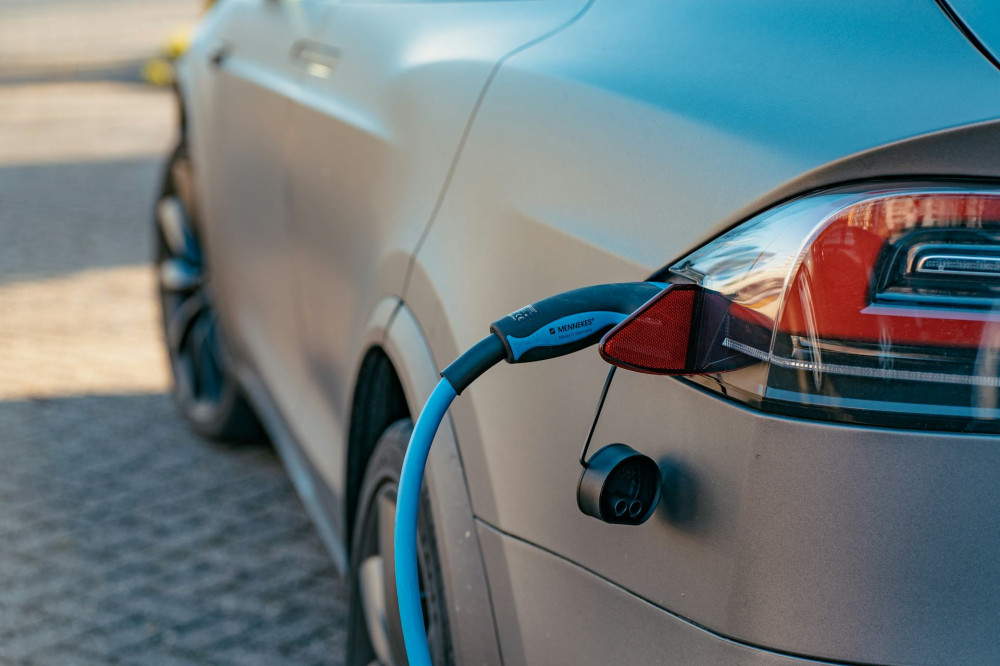
Combining solar carports with integrated EV charging stations can help accelerate the transition to electric transport. These installations allow vehicles to be charged with genuinely low-carbon electricity, maximising the environmental advantages of both technologies. For drivers, the convenience of charging while parked solves a key obstacle to EV adoption.
Beyond benefiting individual users, these systems can help organisations demonstrate environmental leadership by supporting clean mobility initiatives. Wider adoption of solar carports with EV charging encourages a network effect, expanding charging availability and reducing the need for fossil-fuel-based grid power to supply electric vehicles. As more car parks are transformed in this way, communities gain from both improved transport infrastructure and a more robust, distributed renewable energy base.
The commercial case for car park energy assets
Deploying solar carports with integrated charging can unlock new revenue streams for car park owners, turning previously static assets into active contributors to energy and transport systems. Solar generation can reduce site operating costs and provide price stability against unpredictable electricity markets. Additionally, the visibility of solar infrastructure often appeals to environmentally conscious customers or tenants.
For businesses, adding EV charging powered by on-site solar meets growing staff and visitor expectations while supporting overall carbon reduction plans. Flexible system designs mean solar carports can be introduced gradually or scaled up as vehicle adoption accelerates. Integrating technologies like battery storage or smart controls further enhances financial and operational performance, maximising the value of the site.
Considerations and challenges when installing solar carports
Successful solar carport projects require careful planning around site structure, local energy demand, and integration with existing power and charging networks. It is important to evaluate car park orientation, shading, and structural capacity to ensure optimal solar output and long-term reliability of the installation.
Coordinating electrical upgrades, permits, and user experience, such as convenient access to charging points, are critical to avoiding cost overruns and operational difficulties. Working with specialists like the Cornerstone Group can help address technical challenges, from connection agreements to futureproofing for advances in battery storage and grid services. Through early planning, car parks can become essential contributors to a decentralised, clean energy future while improving user convenience and business sustainability.