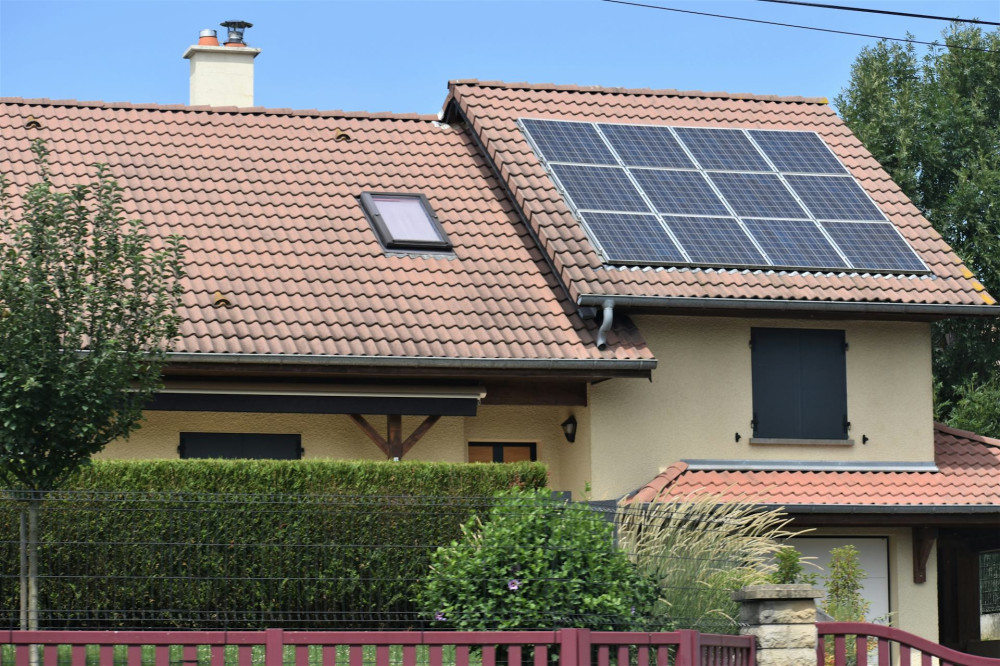
Small Wind Turbines with Great Potential – Designs that Complement the Home


Small Wind Turbines with Great Potential – Designs that Complement the Home
Small wind turbines are no longer just for rural innovators or off‑grid enthusiasts. A new generation of compact, quiet, and visually appealing models is making it possible for ordinary homeowners to generate their own electricity – without compromising the look of their property. With rising energy costs and growing interest in renewable solutions, small‑scale wind power is gaining attention across the UK. But how do these turbines work, and how can they be integrated into modern home design?
A New Era for Small‑Scale Wind
While large wind farms dominate the landscape and feed power into the national grid, small wind turbines are designed for local generation – typically for a single home or small property. They can be mounted on rooftops, in gardens, or on short masts nearby. The latest designs focus on both performance and aesthetics, making them suitable for suburban and even urban settings.
Technological progress has been rapid. Improved materials and aerodynamics have made turbines quieter and more efficient at lower wind speeds – a key factor in many parts of the UK. When combined with solar panels and battery storage, they can form part of a stable, self‑sufficient energy system that reduces reliance on the grid.
Design that Works with Architecture
One of the main barriers to adopting small wind turbines has been their appearance. Many homeowners have hesitated, worried that a turbine might spoil the look of their home or the view from the street. Manufacturers have taken this seriously. Today, there are models that look more like sculptural features than technical installations.
- Vertical‑axis turbines with helical blades can be integrated on flat roofs or as part of a carport. They are visually discreet and almost silent in operation.
- Design‑led turbines made from aluminium or wood composites can be colour‑matched to the home’s exterior, blending naturally with the architecture.
- Hybrid systems combine solar panels and a small turbine in one unit – ideal for modern, energy‑efficient homes.
Architects are increasingly considering small wind turbines at the design stage of new builds, ensuring they become a natural part of the structure rather than an afterthought.
How Much Energy Can You Expect?
Output depends on local wind conditions, turbine size, and placement. A typical domestic turbine rated between 1 and 3 kW can produce around 1,000 to 4,000 kWh per year – roughly 20–40 % of an average UK household’s electricity use. When paired with solar panels, this can cover a significant share of annual demand and reduce exposure to fluctuating energy prices.
It’s important to have a professional assessment of your site’s wind potential. Even small differences in terrain, nearby buildings, or trees can affect performance. Many suppliers now offer digital wind analyses to give a realistic estimate before installation.
Planning and Permissions
Installing a small wind turbine in the UK usually requires planning permission, particularly if the turbine exceeds a certain height or is close to neighbouring properties. Noise limits and visual impact are also considered. Homeowners should contact their local planning authority early in the process.
However, micro‑turbines under 1 kW may be permitted development in some cases, especially if roof‑mounted and compliant with noise and height restrictions. These compact models are popular in urban areas where space is limited.
Costs and Payback
The cost of a small wind turbine ranges from about £2,000 to £10,000 depending on size, quality, and installation. In return, it can significantly reduce electricity bills, particularly when the power is used directly in the home. With rising energy prices and the option to store excess power in batteries, payback times are becoming shorter – often between 8 and 12 years.
A well‑designed renewable system can also increase property value and appeal to buyers seeking sustainable homes.
Læs også:

Part of the Future of Home Energy
Small wind turbines are not a replacement for large wind farms, but a valuable complement that brings energy generation closer to where it’s used. They allow homeowners to take an active role in the transition to clean energy – in a way that is both practical and visually harmonious.
When technology meets thoughtful design, wind power can become a natural part of our homes – not as an intrusive feature, but as a symbol of a more sustainable way of living.
Læs også: