How does solar energy fit into the modern home’s energy system?

How does solar energy fit into the modern home’s energy system?
In recent years, solar energy has moved from being a niche technology to a mainstream part of many British households’ energy mix. With rising electricity prices, growing environmental awareness, and advances in renewable technology, more homeowners are turning to solar panels—not only to cut costs but also to make their homes more self-sufficient and sustainable. But how exactly does solar energy fit into the modern home’s overall energy system?
From rooftop to socket – how solar power works in practice
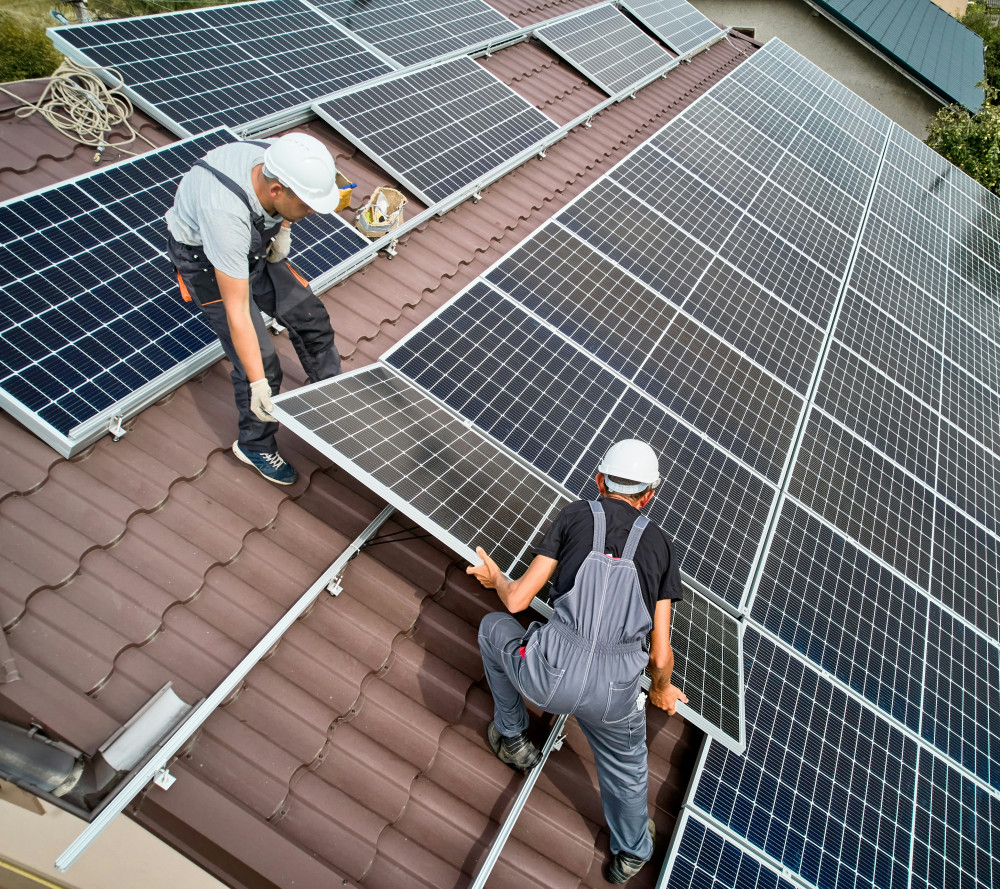
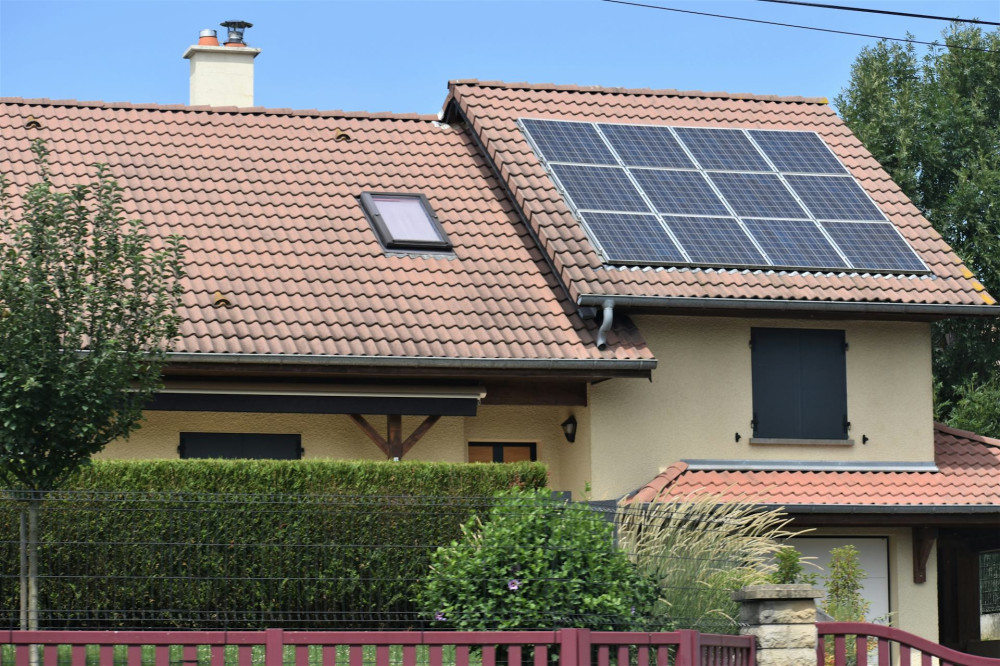
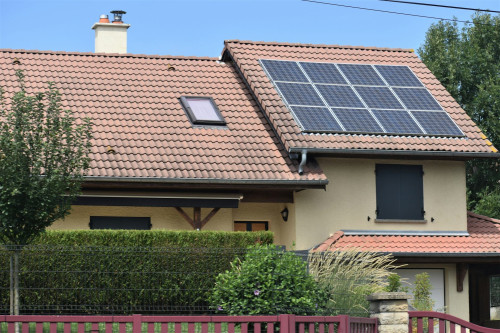
A solar photovoltaic (PV) system converts sunlight into electricity using solar cells. The electricity produced is direct current (DC), which is then converted into alternating current (AC) by an inverter so it can power everyday appliances in the home.
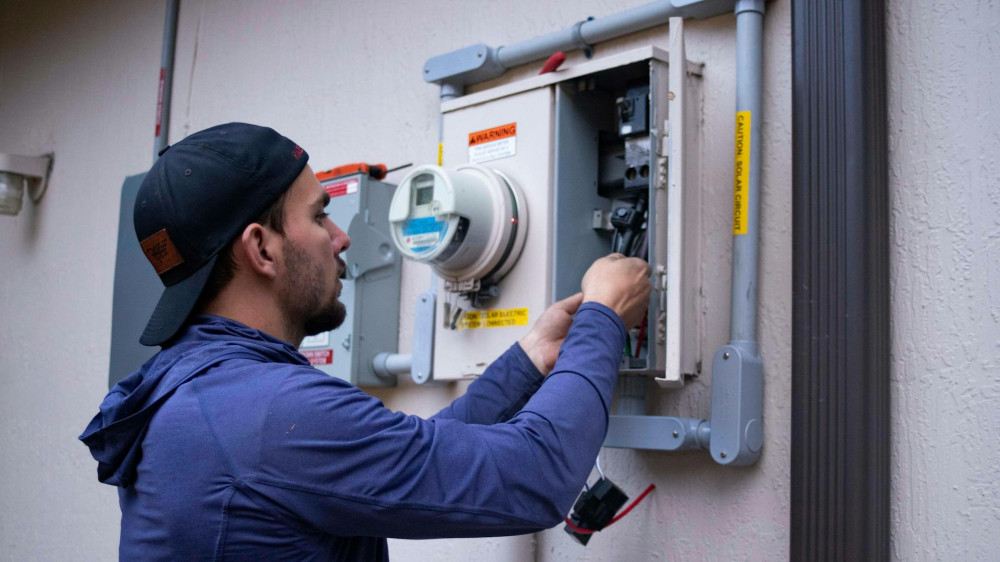
When the sun is shining, a well-sized solar system can cover a large share of a household’s electricity demand—and sometimes even produce more than is needed. Any surplus electricity can either be stored in a home battery for later use or exported to the National Grid through the Smart Export Guarantee (SEG), which provides payment for the energy you supply back to the grid.
Solar panels as part of a smart energy system
Modern homes are increasingly equipped with smart technologies that help manage and optimise energy use. Solar energy fits naturally into this setup. By connecting a solar PV system to a smart home platform, homeowners can schedule energy-intensive tasks—such as charging an electric vehicle or running the washing machine—during periods of high solar generation.
When combined with battery storage, solar energy becomes even more flexible. The battery stores excess electricity during the day, which can then be used in the evening or on cloudy days. This increases self-consumption and reduces reliance on the grid, offering both energy security and potential savings.
Working together with heat pumps and electric vehicles
Solar energy integrates particularly well with other electric technologies in the home. A heat pump, for example, can use solar-generated electricity to provide heating and hot water, reducing the need for grid electricity or gas. This makes solar panels an active part of the home’s heating system.
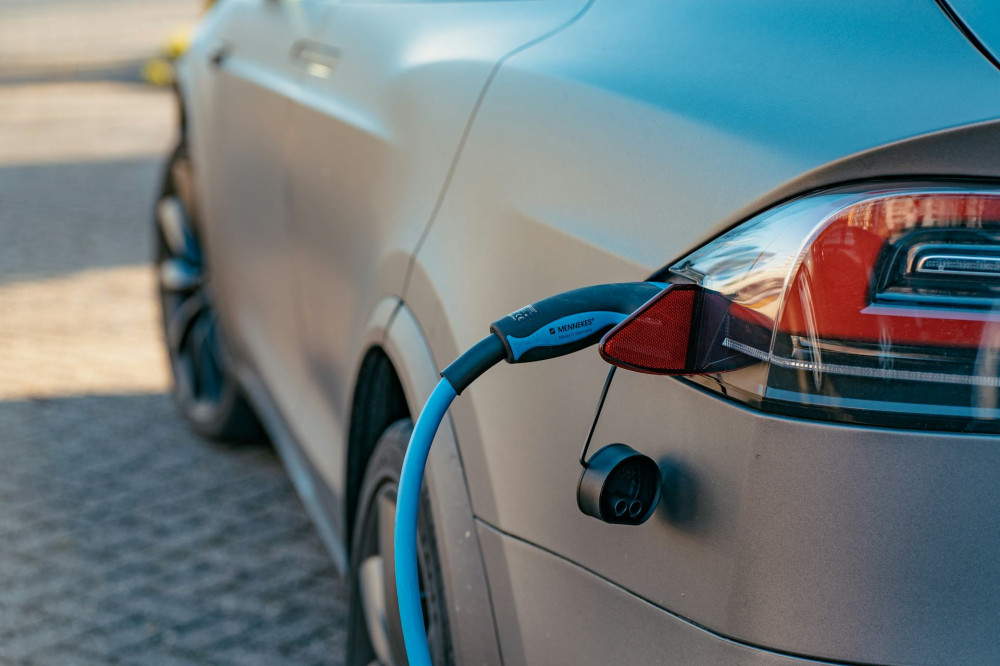
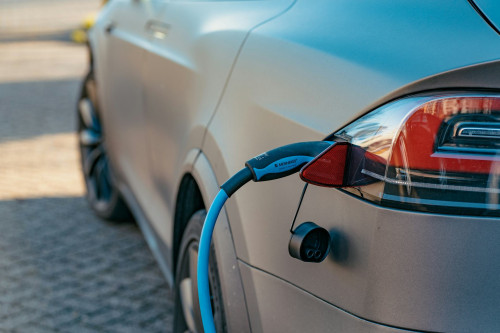
Electric vehicles (EVs) are another natural partner. They can be charged when solar production is high, and emerging vehicle-to-home (V2H) technology will soon allow EVs to feed electricity back into the house when needed. In this way, the car becomes a mobile energy store that helps balance household energy use.
Costs and payback time
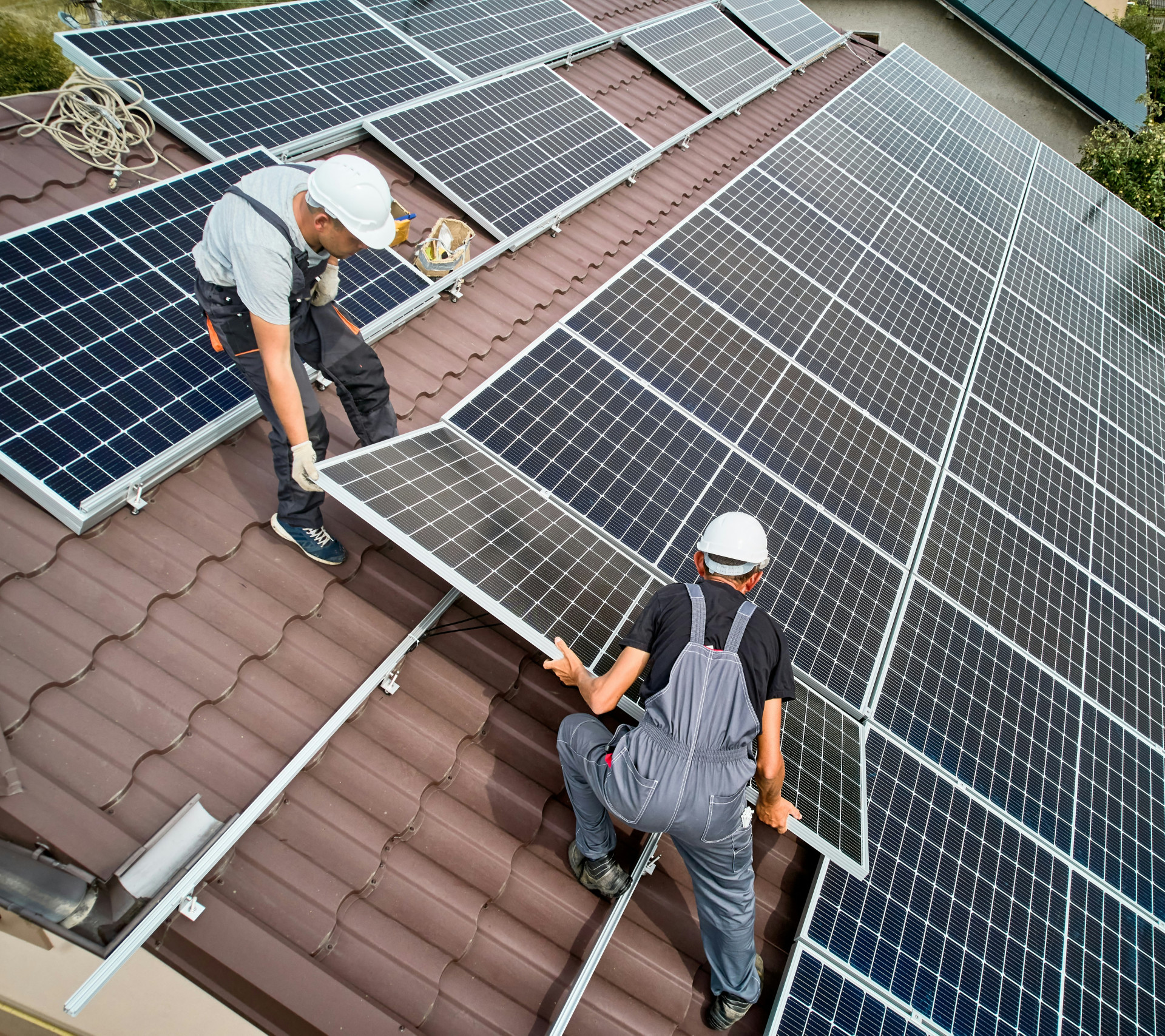
The cost of solar panels in the UK has fallen dramatically over the past decade, while efficiency has improved. A typical domestic system now costs between £5,000 and £8,000, depending on size and quality. With rising energy prices and the ability to use or sell your own electricity, many systems pay for themselves within 8–12 years.
Adding a battery increases the initial investment but also boosts flexibility and independence. Many homeowners see solar panels not just as a financial decision but as a long-term investment in both sustainability and energy resilience.
Environment and sustainability
Solar energy is one of the cleanest power sources available. Once installed, panels generate electricity without producing carbon emissions or air pollution. The energy used to manufacture the panels is typically offset within two to three years of operation, after which they continue to produce clean energy for 25 years or more.
For many households, solar energy is therefore not only about saving money but also about taking a proactive step towards reducing their carbon footprint and contributing to the UK’s net-zero goals.
Læs også:
The energy home of the future
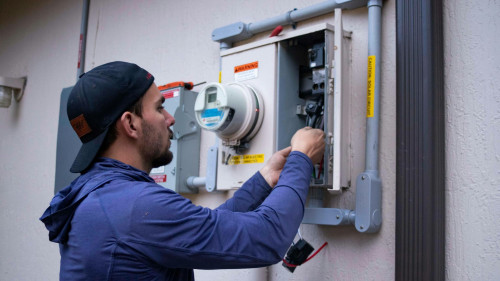
The home energy system of the future will be more integrated, intelligent, and flexible than ever before. Solar panels, batteries, heat pumps, and electric vehicles will work together in a smart network that automatically adapts to consumption patterns, weather conditions, and electricity prices. The home will no longer be just a consumer of energy—it will become an active participant in the wider energy system.
Solar energy is thus not merely an add-on but a cornerstone of the green transition in British homes. It offers independence, stability, and a direct connection to one of nature’s most reliable energy sources: the sun.
Læs også: