Ongoing maintenance of brickwork prevents major renovations

Ongoing maintenance of brickwork prevents major renovations
Brickwork is one of the most durable building materials we have – but even the strongest bricks and mortar need care to maintain their strength and appearance. Wind, rain, frost and pollution gradually wear down the surface, and small cracks can quickly turn into major problems if left unattended. With regular maintenance, you can extend the life of your brickwork and avoid costly renovations later on.
Why brickwork needs maintenance
Brickwork may look solid and permanent, but it is a living material that reacts to its surroundings. Moisture, temperature changes and biological growth such as moss or algae can slowly break down both bricks and mortar. When mortar joints become porous, water can seep in, and during freezing weather it expands – leading to cracks and flaking.
Maintenance is therefore not just about appearance; it’s about protecting the structure of your home. Well-maintained brickwork keeps your property dry, stable and energy efficient.
Signs your brickwork needs attention
It’s a good idea to inspect your brickwork at least once a year – ideally in spring, when winter damage is easiest to spot. Here are some common signs that maintenance may be needed:
- Cracks in bricks or mortar joints – even small ones can let in moisture.
- Loose or spalling bricks – often caused by frost damage.
- Dark patches or moss growth – may indicate damp issues.
- White salt deposits (efflorescence) – show that water is moving through the wall.
- Crumbling mortar – a clear sign that repointing is required.
The sooner you identify these problems, the easier and cheaper they are to fix.
How to maintain your brickwork
Maintaining brickwork doesn’t always require major work. Often it’s about cleaning, repairing and protecting.
-
Clean the wall gently Use a soft brush and clean water to remove dirt and algae. Avoid pressure washers, as they can damage the mortar. For stubborn stains, use a mild, environmentally friendly cleaning solution.
-
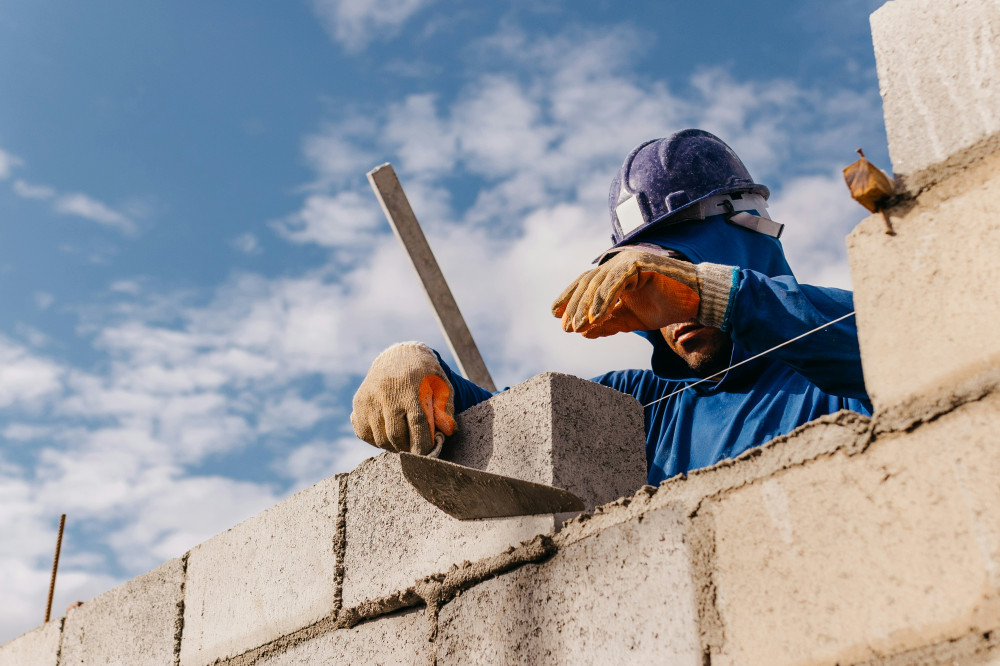
Repoint when necessary If the mortar is crumbling or missing, it should be carefully raked out and replaced with a mortar that matches the original. Avoid using hard cement mortar on older buildings – it can cause stress and cracking.
-
Check copings, sills and damp-proof courses Make sure water is directed away from the wall. Damaged copings, leaking gutters or blocked downpipes can lead to moisture build-up and structural damage.
-
Inspect movement joints In newer buildings, flexible joints are used to allow for movement. Replace them if they have cracked or separated from the surface.
-
Ensure good ventilation Brickwork needs to breathe. Avoid sealing the surface with impermeable paints or coatings that trap moisture inside the wall.
Læs også:
Professional help can be worth it
While many tasks can be done by a competent DIYer, it can be a wise investment to have a professional bricklayer or surveyor inspect your brickwork periodically. They can spot early signs of deterioration and advise on the correct materials and repair methods. This can save both time and money in the long run.
Small effort, big reward
Ongoing maintenance of brickwork is about dealing with small issues before they become large ones. A yearly inspection, some gentle cleaning and timely repairs can extend the life of your brickwork for decades. It’s a simple way to protect both the value and the character of your home – and to avoid unexpected, expensive renovations later on.
Læs også: