Condensation in Exterior Walls? How to Avoid the Problem with the Right Construction from the Start

Condensation in Exterior Walls? How to Avoid the Problem with the Right Construction from the Start
Condensation in exterior walls is one of the most underestimated issues in modern construction – and one of the most damaging in the long run. When warm, moist indoor air meets a cold wall surface, water can form inside the structure. Over time, this can lead to mould, rot, and deterioration of materials. Fortunately, the problem can be avoided if the wall is built correctly from the start. Here’s how to ensure a healthy, durable wall construction that keeps moisture at bay.
What Is Condensation – and Why Does It Occur?
Condensation happens when warm air cools down and can no longer hold its moisture as vapour. In buildings, this typically occurs when humid indoor air penetrates colder parts of the structure – for example, through gaps in the vapour barrier or at thermal bridges in the wall.
In exterior walls, condensation can form:
- On the inner surface, if the wall is cold and the room poorly ventilated.
- Inside the wall structure, if insulation or vapour control layers are incorrectly placed.
- On the outer side, if moisture from inside cannot escape.
It’s the hidden condensation inside the wall that’s most dangerous, as it can go unnoticed for years while causing serious damage.
Læs også:
The Correct Construction of an Exterior Wall
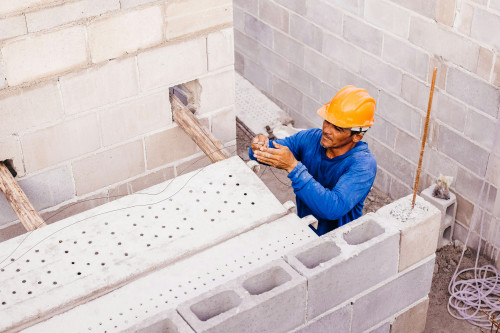
A properly built exterior wall must do two things at once: keep heat in and moisture out. This requires that the wall’s layers work together and are arranged in the right order.
A typical modern British cavity wall consists of:
- Internal finish (plasterboard or plaster)
- Vapour control layer – prevents moist indoor air from entering the wall
- Insulation – retains heat
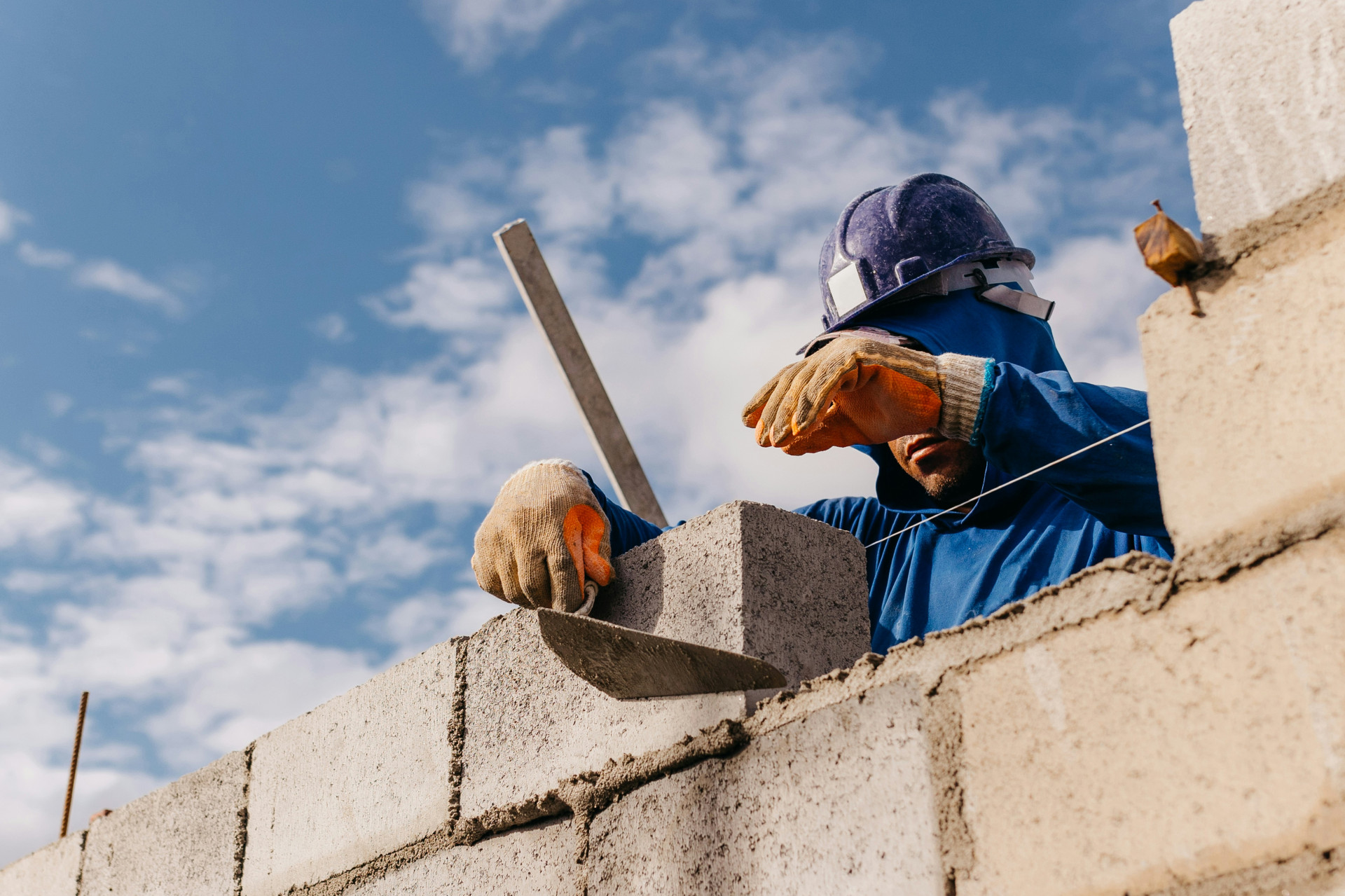
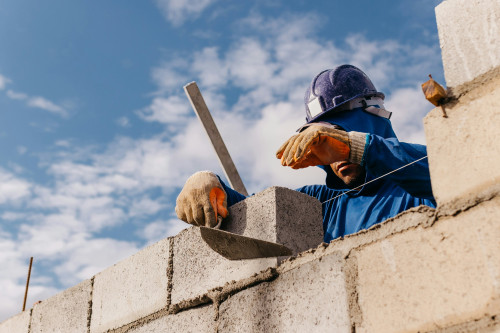
- Inner leaf – usually blockwork or brick
- Ventilated cavity – allows moisture to drain and air to circulate
- Outer leaf or façade – protects against rain and wind
If these layers are misplaced or poorly sealed, moisture can penetrate and condense. That’s why it’s crucial that the vapour control layer is continuous and that the cavity is properly ventilated.
Common Mistakes That Lead to Condensation
Even small construction errors can have major consequences. Here are some of the most common causes of condensation in exterior walls:
- Leaky vapour barriers – especially around sockets, pipes, or window frames.
- Blocked or missing cavity vents – moisture cannot escape, leaving the wall damp.
- Thermal bridges – areas where heat escapes through materials with high conductivity, such as steel lintels or concrete beams.
- Incorrect insulation thickness – too little insulation creates cold surfaces; too much without proper ventilation can trap moisture.
- Internal insulation on solid walls without moisture control – a common mistake in older homes, where the wall can no longer “breathe” as before.
How to Prevent Condensation from the Start
Prevention begins at the design stage. Here are the key principles to follow:
- Consider moisture movement in the design – moisture should be able to move outward, not inward.
- Use compatible materials – for example, breathable renders and insulation types that allow moisture to evaporate.
- Ensure an airtight vapour control layer – use approved tapes and sealants, and check all joints carefully.
- Ventilate the cavity properly – with openings at the top and bottom to allow air circulation.
- Avoid thermal bridges – insulate structural elements that pass through the wall and use thermal breaks where possible.
- Hire qualified professionals – correct installation is essential for the wall to perform as intended.
What to Do If the Damage Is Already Done
If you suspect condensation inside your walls, act quickly. Warning signs include dark patches, a musty smell, or peeling paint. A moisture survey can reveal whether there’s a hidden problem.
Depending on the cause, the solution may involve:
- Repairing the vapour control layer or sealing joints
- Improving cavity or room ventilation
- Removing damp insulation and drying out the wall
- In severe cases – partial reconstruction of the wall with the correct layer arrangement
It’s often wise to consult a building surveyor or damp specialist to assess the extent of the problem before starting repairs.
A Healthy Home Starts with Dry Walls
Condensation in exterior walls isn’t just a cosmetic issue – it’s about the health and longevity of your building. A well-designed wall protects both the structure and the indoor environment. By considering moisture control and ventilation from the outset, you can avoid costly repairs and ensure a comfortable, durable home for years to come.
Læs også: