Wooden flooring in the kitchen: Beautiful, but requires careful planning

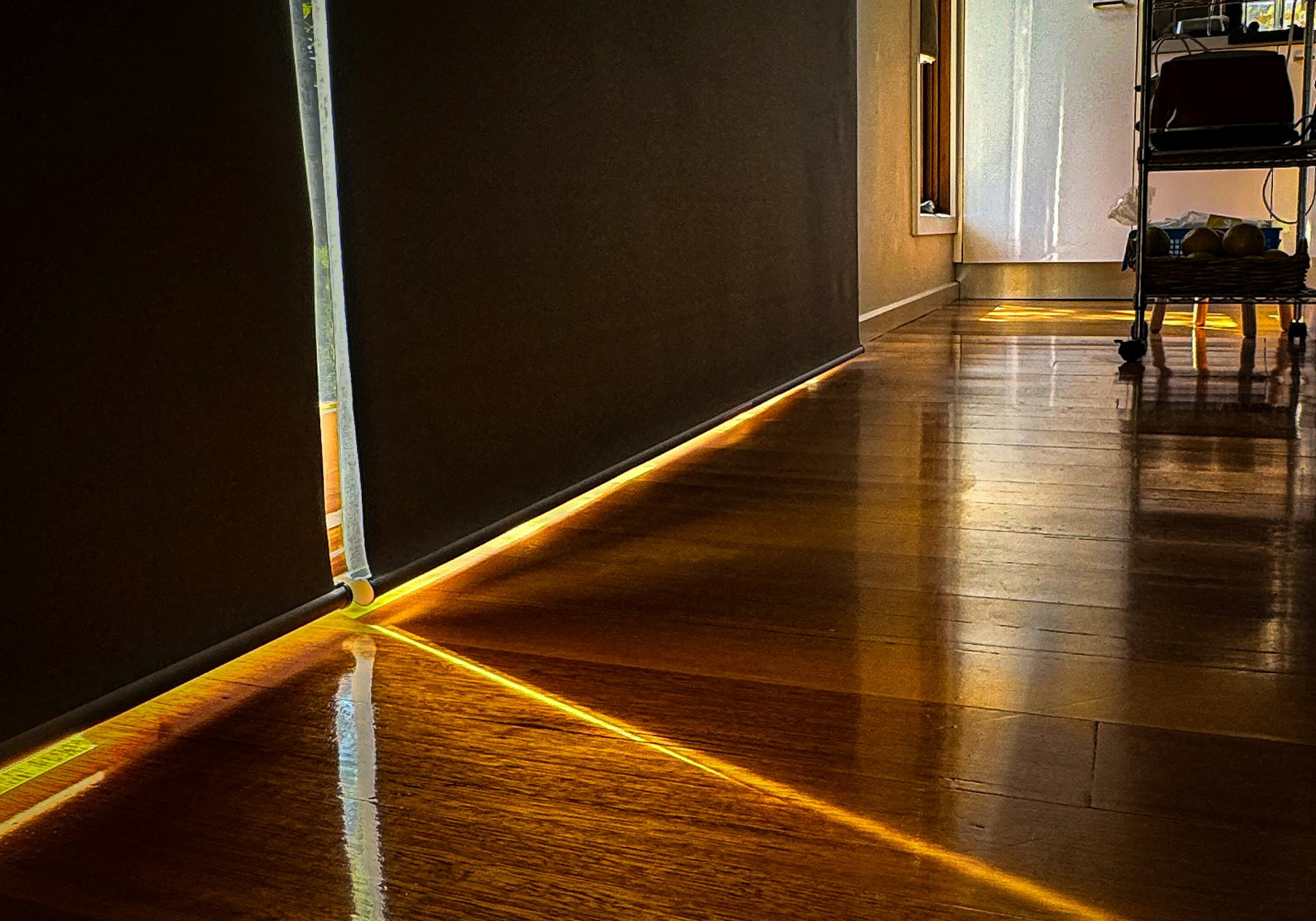
Wooden flooring in the kitchen: Beautiful, but requires careful planning
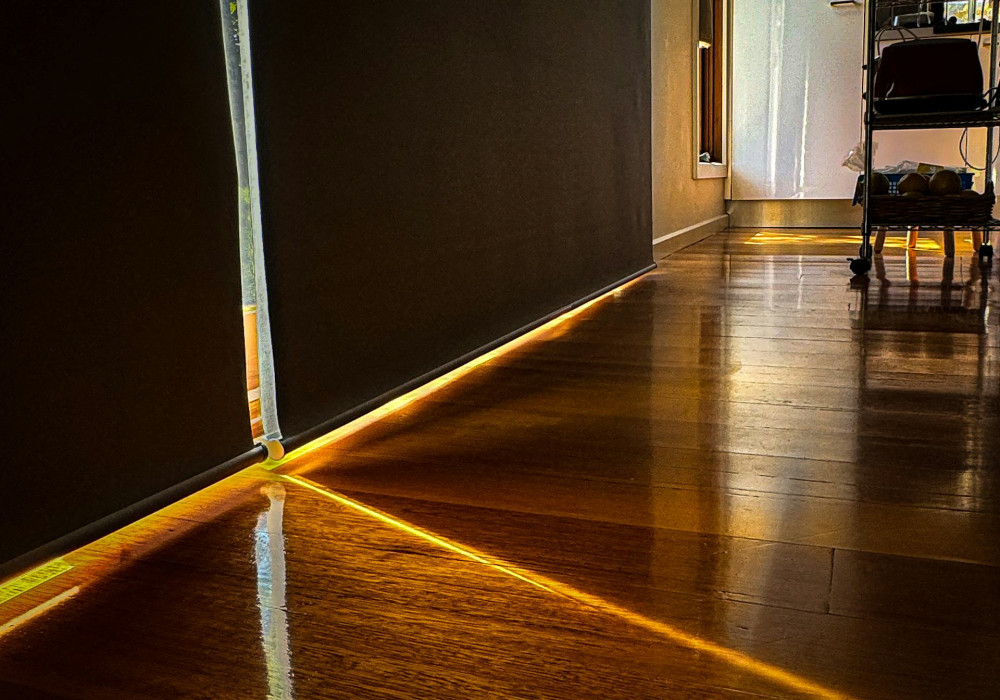
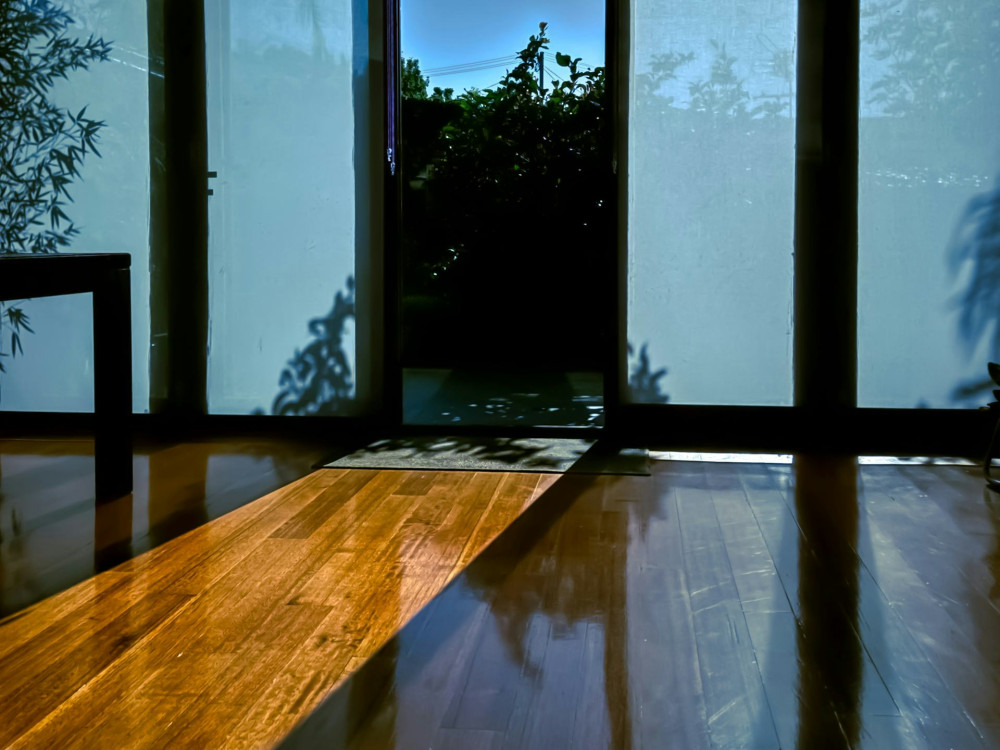
A wooden floor can bring warmth and character to a kitchen in a way few other materials can. It creates a seamless flow between cooking and living areas and adds a natural elegance that suits both modern and traditional British homes. But as beautiful as it is, wood in the kitchen demands thoughtful planning, the right materials, and regular care to withstand the challenges of moisture, spills, and daily wear.
The appeal of wooden flooring in the kitchen
Wooden floors have a unique ability to make a kitchen feel welcoming and homely. They are warm underfoot, soften acoustics, and offer a natural look that many homeowners prefer over tiles or vinyl. Another advantage is longevity: a solid or engineered wood floor can be sanded and refinished several times, extending its life for decades.
In open-plan homes, wooden flooring also helps create visual continuity between the kitchen, dining, and living spaces, making the entire area feel larger and more cohesive.
Læs også:

The challenges – and how to manage them
Kitchens are among the most demanding rooms in any home. Water, grease, and heavy foot traffic can all take their toll on a wooden floor. Choosing the right type of wood and finish is therefore essential.
- Moisture and water: Wood does not cope well with standing water. Even small spills can seep into joints and cause swelling or staining. Always wipe up spills immediately and avoid using excessive water when cleaning.
- Grease and dirt: The area around the hob and sink is particularly vulnerable. A washable rug or mat can help protect the floor from splashes and scratches.
- Wear and tear: Kitchens see constant use, so opt for a hard-wearing species such as oak, ash, or maple. A matt lacquer or hardwax oil finish will provide extra durability while maintaining a natural look.
Choosing the right wood and finish
When selecting wooden flooring for a kitchen, it’s important to balance aesthetics with practicality.
- Oak is a classic choice in the UK, known for its strength, stability, and resistance to moisture.
- Ash offers a lighter, contemporary appearance but needs a bit more maintenance.
- Maple is smooth and uniform, ideal for modern interiors, though it can be sensitive to humidity.
- Walnut provides a rich, dark tone for a luxurious feel, but it’s softer and requires careful upkeep.
The finish you choose will determine how easy the floor is to maintain. A lacquered finish is highly protective and simple to clean, while an oiled finish enhances the natural texture of the wood but needs regular reapplication. Hardwax oil offers a good middle ground, combining resilience with a natural sheen.
Installation and subfloor considerations
Proper installation is key to ensuring your kitchen floor lasts. The subfloor must be level, dry, and stable. If you have underfloor heating – increasingly common in British homes – choose engineered wood rather than solid planks, as it handles temperature changes better.
Allow the wood to acclimatise in the room for a few days before fitting. Wood expands and contracts with humidity, and this step helps prevent warping or gaps later on.
Everyday maintenance
A wooden kitchen floor requires a little more attention than tile or vinyl, but with the right habits, it will stay beautiful for years.
- Sweep or vacuum regularly to remove grit that can scratch the surface.
- Clean with a damp (not wet) mop and a cleaner designed for wooden floors.
- Avoid harsh chemicals or microfibre pads that can damage the finish.
- Re-oil or re-lacquer the surface as needed – typically every one to two years, depending on use and finish type.
Minor scratches can often be repaired with light sanding and refinishing, making wood a flexible and sustainable choice in the long term.
A choice that rewards care and attention
Wooden flooring in the kitchen isn’t the easiest option, but for those willing to give it a little extra care, the rewards are significant. It brings warmth, texture, and timeless beauty to the heart of the home. With careful planning, the right materials, and consistent maintenance, a wooden kitchen floor can be both practical and enduring – and a stunning feature that enhances the entire living space.
Læs også: