Plan maintenance of drains alongside the home’s other tasks

Plan maintenance of drains alongside the home’s other tasks
A well-functioning drainage system is one of those things you rarely think about – until something goes wrong. Blocked pipes, unpleasant smells or damp patches can quickly become both inconvenient and expensive to fix. That’s why it makes sense to include drain maintenance as part of your home’s regular upkeep. With a planned approach, you can prevent problems, save money and keep your home running smoothly all year round.
Why planning makes a difference
Drains and sewers are hidden parts of the home, but they are just as important as the roof, windows and heating system. Many issues arise simply because maintenance is forgotten or postponed. By setting up regular checks and cleaning routines, you can spot early signs of blockages or damage before they turn into bigger problems.
A planned approach also allows you to coordinate drain maintenance with other household tasks – for example, when you already have tradespeople on site, or when you’re doing your spring cleaning or garden preparation. This saves both time and effort.
Create an annual maintenance plan
Start by making a simple plan that spreads your home maintenance tasks across the year. This could include everything from gutters and windows to drains and ventilation. For drains, you might include the following:
- Spring: Flush indoor drains with hot water and a mild cleaning solution. Check outdoor drains and gullies for leaves and debris left over from winter.
- Summer: Watch for unpleasant smells from sinks or shower drains – these can be early signs of a blockage.
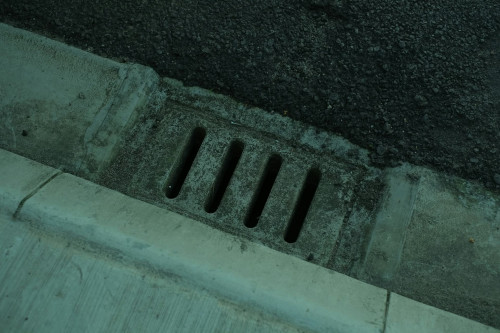
- Autumn: Clear gutters and downpipes so rainwater can flow freely. Remove fallen leaves from grates and surface drains.
- Winter: Make sure outdoor drains don’t freeze and that water traps in little-used rooms don’t dry out.
By adding these tasks to your calendar alongside other household chores, you’ll find them easier to remember and keep track of.
Combine tasks to save time
Many maintenance jobs naturally go hand in hand. When you do your spring clean, you can also clean the kitchen and bathroom drains. When you check the roof, take a moment to see if the downpipes are clear. And if you have a drainage engineer visiting to inspect gullies or soakaways, ask them to give the whole system a quick check.
Thinking in terms of combined tasks helps you avoid duplication and get more value from the time and money you spend on maintenance.
Læs også:
Recognise the warning signs
Even with good planning, problems can still occur. The key is to act quickly when you notice something unusual. Look out for:
- Water draining slowly from sinks, baths or showers
- Unpleasant odours from drains or inspection covers
- Damp patches on walls or floors
- Gurgling sounds from pipes when water is running
These signs can indicate a developing blockage or damage in the pipes. The sooner you deal with it, the less likely it is to lead to major repairs.
Get professional help when needed
While many tasks can be handled with regular cleaning and prevention, there are times when it’s worth calling in a professional. A qualified drainage engineer can carry out CCTV inspections, clear pipes thoroughly and assess whether repairs or replacements are needed.
It’s a good idea to have a professional inspection every three to five years – especially if your property is older or you’ve had drainage issues before.
Make maintenance a habit
Drain maintenance doesn’t have to be difficult. It’s mostly about making it part of your home’s regular rhythm. When you plan it alongside other tasks – garden care, roof checks, window cleaning and heating maintenance – it becomes much easier to stay on top of everything.
A well-maintained drainage system gives you peace of mind and protects your home from damage. With a clear plan in place, you can be confident that you’re always one step ahead.
Læs også: