Backwater Valve and Good Habits – Double Protection Against Flooding

Backwater Valve and Good Habits – Double Protection Against Flooding
When heavy rain falls and the drains can’t cope, water can quickly find its way into basements and ground floors. For many homeowners, it’s an unpleasant surprise that can cause serious damage and cost thousands to repair. But with a backwater valve and a few simple preventive habits, you can greatly reduce the risk. Here’s a guide to how you can protect your home from flooding – both technically and practically.
What Is a Backwater Valve – and How Does It Work?
A backwater valve is a device installed in your drainage system to prevent sewage from flowing back into your home when the public sewer becomes overloaded. It works like a one-way gate: wastewater can flow out, but not back in.
When the water level in the sewer rises above a certain point, the valve automatically closes, stopping water from being forced up through floor drains, toilets, or sinks in the basement. There are different types of backwater valves – some are manual, while others close automatically. All of them must be installed correctly and maintained regularly to work effectively.
Why It Matters
Climate change means the UK is experiencing more frequent and intense downpours than before. This puts pressure on drainage systems, especially in older towns and cities where pipes were never designed for such large volumes of water. A backwater valve can be the difference between a dry basement and a costly flood. In some areas, your insurer may even require one if your property has a history of flooding or sits in a high-risk zone.
Læs også:
Good Habits That Make a Difference
Even the best backwater valve can’t do the job alone. Your everyday habits play a big role in preventing problems. Here are some simple but effective tips:
- Keep drains and gullies clear of leaves and debris. Water needs a clear path away from your home.
- Avoid pouring fat, coffee grounds, or food waste down the sink. These can cause blockages that stop water from draining properly.
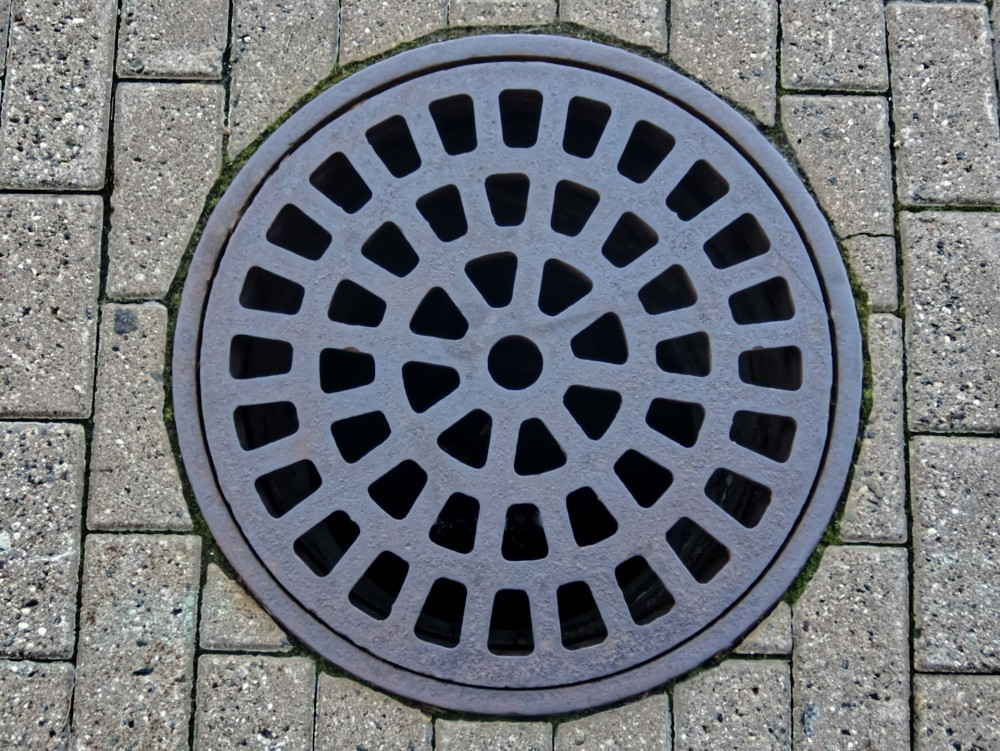
- Check basement windows and light wells. Make sure they’re sealed and that any drainage there works as it should.
- Ensure the ground slopes away from your house. This helps rainwater flow away rather than pooling near the walls.
- Clean gutters and downpipes regularly. Blocked gutters can send water straight down your walls and into your foundations.
These habits take little time but can save you a great deal of money and stress.
Maintaining Your Backwater Valve
A backwater valve should be inspected at least once a year – more often if you live in an area prone to heavy rain. Check that the flap moves freely and that no dirt or grease is preventing it from closing properly. Many homeowners choose to have a qualified plumber or drainage specialist carry out the inspection, as it requires knowledge of the system and the right tools.
If you notice bad smells from your drains or slow drainage, it could be a sign that the valve isn’t working correctly. In that case, have it checked immediately.
Combine Technology and Common Sense
The best protection against flooding comes from combining technical solutions with good habits. A backwater valve is an effective barrier against sewage, but it can’t stop rainwater from entering from outside. That’s why it’s important to think holistically: Ensure good drainage around your property, keep an eye on your drains, and observe how water moves around your home during heavy rain.
By taking responsibility for both installation and behaviour, you create double protection – and peace of mind, even when the rain pours down.
An Investment in Security
A backwater valve typically costs a few hundred pounds to install, depending on the type and complexity of the system. It may seem like an expense, but compared to the cost of flood damage, it’s an investment in security. It can also increase your property’s value and give you confidence when the weather forecast warns of storms.
Combining a well-maintained backwater valve with sensible habits is the best way to protect your home – today and in the future.
Læs også: