Flexible Scaffolding – When the Construction Project Changes Direction

Flexible Scaffolding – When the Construction Project Changes Direction
Few construction projects unfold exactly as planned. Unexpected design changes, new safety requirements, or shifting deadlines can quickly alter the conditions on site. In such moments, flexible scaffolding becomes a crucial asset – allowing work to continue efficiently and safely without compromising quality or schedule.
This article explores how adaptable scaffolding systems can respond when a project changes direction, and why they have become an essential part of modern construction in the UK.
When Plans Take a Turn
Even with meticulous planning, construction projects often evolve. Perhaps an additional storey is added, the façade design is revised, or the work sequence changes due to weather or supply delays.
A fixed, traditional scaffold can quickly become a constraint in these situations. A flexible system, on the other hand, can be adjusted, extended, or relocated to meet new requirements. This adaptability saves both time and resources – and helps prevent costly delays.
Læs også:

Modular Design Means Freedom
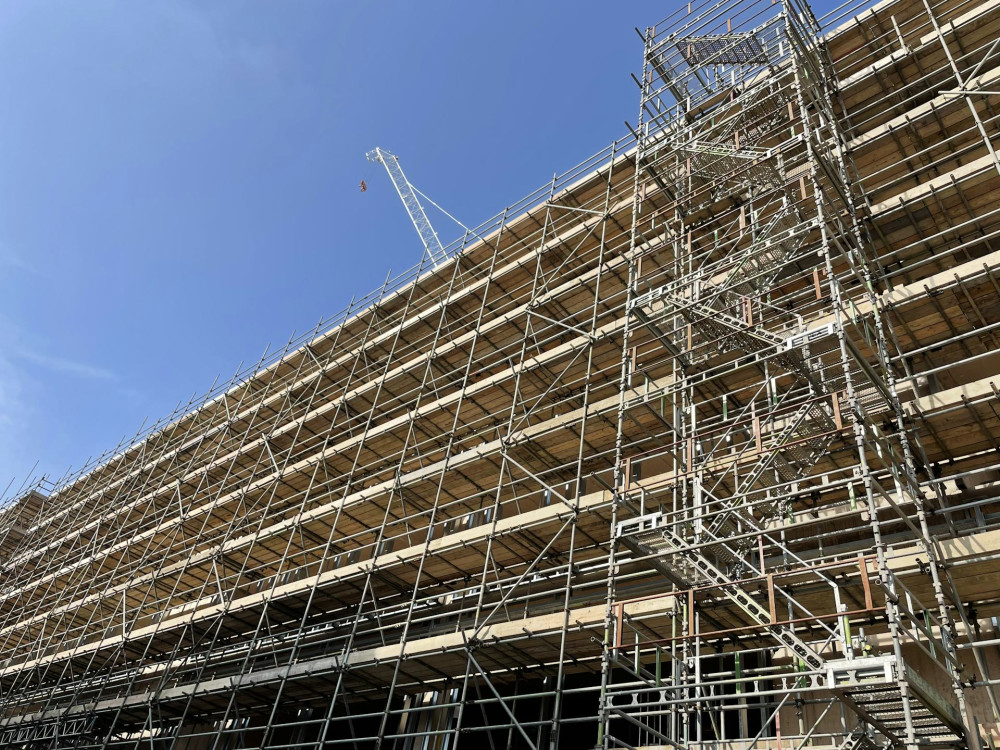
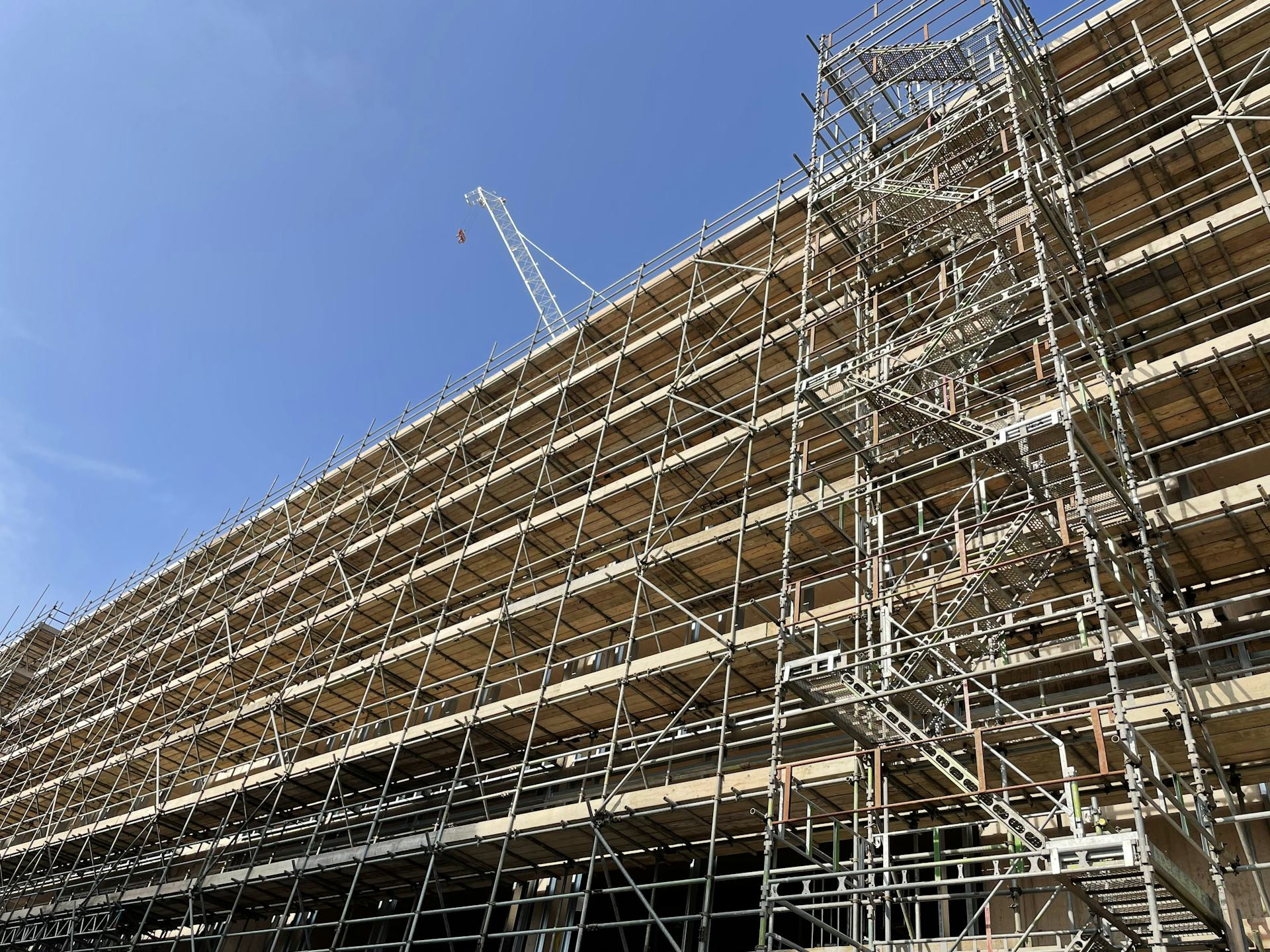
Most modern scaffolding systems are modular, meaning they can be assembled in countless configurations. This allows the structure to be tailored to the building’s shape, height, and the specific tasks at hand.
A modular scaffold can, for example:
- Be extended vertically or horizontally as the project grows.
- Adapt to uneven ground using adjustable base plates.
- Incorporate weather protection such as sheeting or temporary roofing.
- Be relocated quickly between different areas of the site.
This flexibility makes it easier to respond to changes without dismantling and rebuilding from scratch.
Safety and Efficiency Go Hand in Hand
Whenever scaffolding is modified or moved, safety remains the top priority. Flexible systems are engineered to maintain stability and load-bearing capacity even when reconfigured.
Professional scaffolding contractors in the UK ensure that all adjustments comply with current regulations, including the Work at Height Regulations 2005 and relevant British Standards. This ensures that tradespeople can work confidently and securely, even as the project evolves.
At the same time, flexible scaffolding supports a more efficient workflow. When access platforms can be adapted quickly, teams avoid unnecessary downtime and keep the project moving forward.
Temporary Solutions with Long-Term Value
Flexible scaffolding isn’t just for large-scale developments. It’s equally valuable for smaller refurbishments, façade repairs, or maintenance work where access needs change frequently.
Many modular systems are reusable across multiple projects, making them a cost-effective and sustainable investment. As the UK construction industry places greater emphasis on circular economy principles, reusable scaffolding components help reduce waste and resource consumption.
Technology and Planning Working Together
Digital tools now play an increasing role in scaffolding design and planning. 3D modelling and Building Information Modelling (BIM) allow contractors to visualise scaffolding layouts in relation to the structure before installation begins.
This makes it possible to identify access routes, load points, and potential adjustments in advance. The combination of flexible systems and digital planning provides a new level of agility and precision on site.
When Flexibility Becomes a Competitive Advantage
In a sector where time, safety, and precision are critical, the ability to adapt quickly can make all the difference. Flexible scaffolding enables contractors to respond to change without losing momentum – a clear advantage for both builders and clients.
When a construction project changes direction, it doesn’t have to mean disruption. With the right scaffolding solutions, change can instead become an opportunity to work smarter, safer, and more efficiently.
Læs også: