Ergonomics in Focus: Control Systems that Reduce Physical Strain

Ergonomics in Focus: Control Systems that Reduce Physical Strain
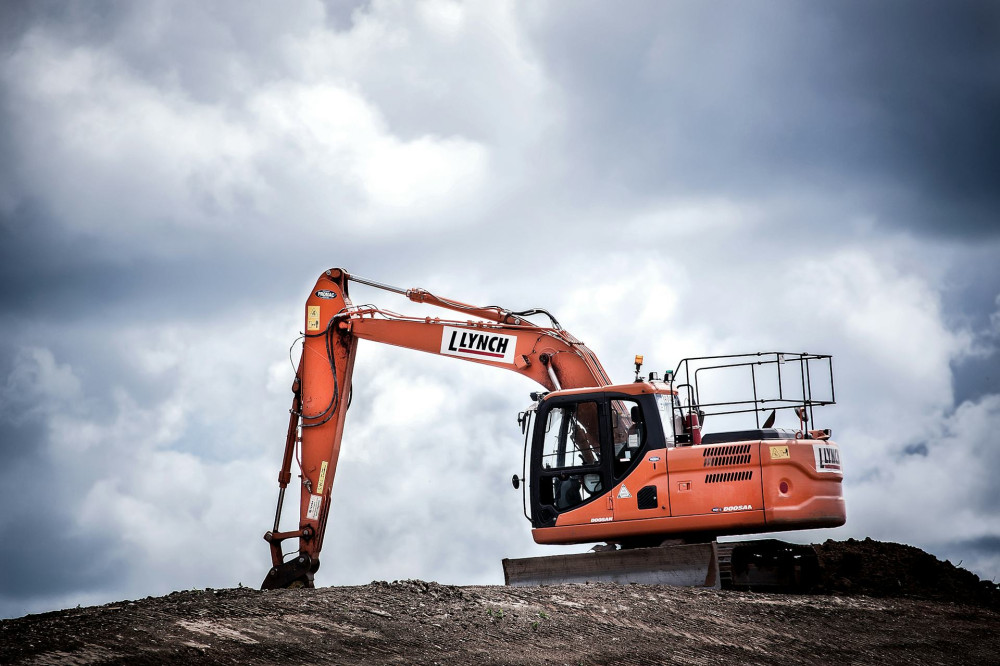
As the UK construction and heavy machinery sectors continue to embrace digital transformation, ergonomics has become a key consideration in equipment design. Modern control systems in excavators, loaders, cranes and other machinery are no longer just about performance – they are about protecting the operator’s body. Adjustable controls, intelligent assistance and refined cabin environments are helping operators work longer, safer and with less physical strain.
From Heavy Labour to Smart Operation
In the past, operating heavy machinery often meant long hours of repetitive movements, exposure to vibration and the use of considerable physical force. Today, electronic joysticks, touchscreens and programmable functions have replaced many of the old mechanical levers. These systems allow operators to control powerful machines with minimal effort, reducing fatigue and the risk of musculoskeletal injuries.
Modern control systems can be customised to suit individual preferences – for example, adjusting the sensitivity of the joystick or the resistance of the controls. This personalisation makes operation smoother and more intuitive, while improving precision and comfort throughout the working day.
Ergonomic Design in the Operator’s Cabin
The operator’s cabin has become a focal point for ergonomic innovation. Manufacturers are investing heavily in creating workspaces that support comfort and concentration, even during long shifts.
- Suspension seats absorb shocks and vibrations from uneven terrain.
- Adjustable armrests, steering columns and pedals allow operators to find their ideal posture.
- Climate control and noise reduction help maintain alertness and reduce stress.
Improved visibility is another major factor. Large windows, strategically placed mirrors and camera systems mean operators no longer need to twist or stretch to maintain awareness of their surroundings. These small design details collectively make a significant difference to health and wellbeing.
Digital Assistance and Automation
The latest generation of control systems integrates digital assistance to make operation both easier and safer. Features such as automatic levelling, load management and position control help the machine perform complex tasks with minimal manual input. This reduces the need for constant physical correction and lowers the risk of overexertion.
Some systems can even store individual user profiles, automatically adjusting seat position, control sensitivity and display settings when a specific operator logs in. This not only saves time but ensures consistent ergonomic support for every user.
Training and Awareness
Even the most advanced ergonomic systems rely on proper use. Training is therefore essential to ensure operators understand how to take full advantage of the technology. Many UK companies now include ergonomics as a core part of their operator training programmes, emphasising posture, control adjustment and safe working practices.
Building awareness around ergonomics is not just about compliance – it’s about fostering a culture where physical wellbeing is valued alongside productivity and safety.
Læs også:
The Future: Machines That Adapt to the Human Body
Looking ahead, the next wave of innovation will see machines that actively monitor and respond to the operator’s physical condition. Sensors may track vibration exposure, seating posture and pressure points, providing real-time feedback or automatic adjustments to reduce strain.
The goal is clear: to create machines that work with the human body, not against it. When ergonomics and technology evolve together, the result is a safer, healthier and more efficient working environment – one where operators can perform at their best without compromising their wellbeing.
Læs også: