The Role of Asbestos Surveys in Pre-Renovation Planning

The Role of Asbestos Surveys in Pre-Renovation Planning
Meta Title: Asbestos Surveys for Renovation Planning
Meta Description: Learn when an asbestos survey is needed before renovation, the types available, and how the findings help you plan safe work and disposal.
The Role of Asbestos Surveys in Pre-Renovation Planning
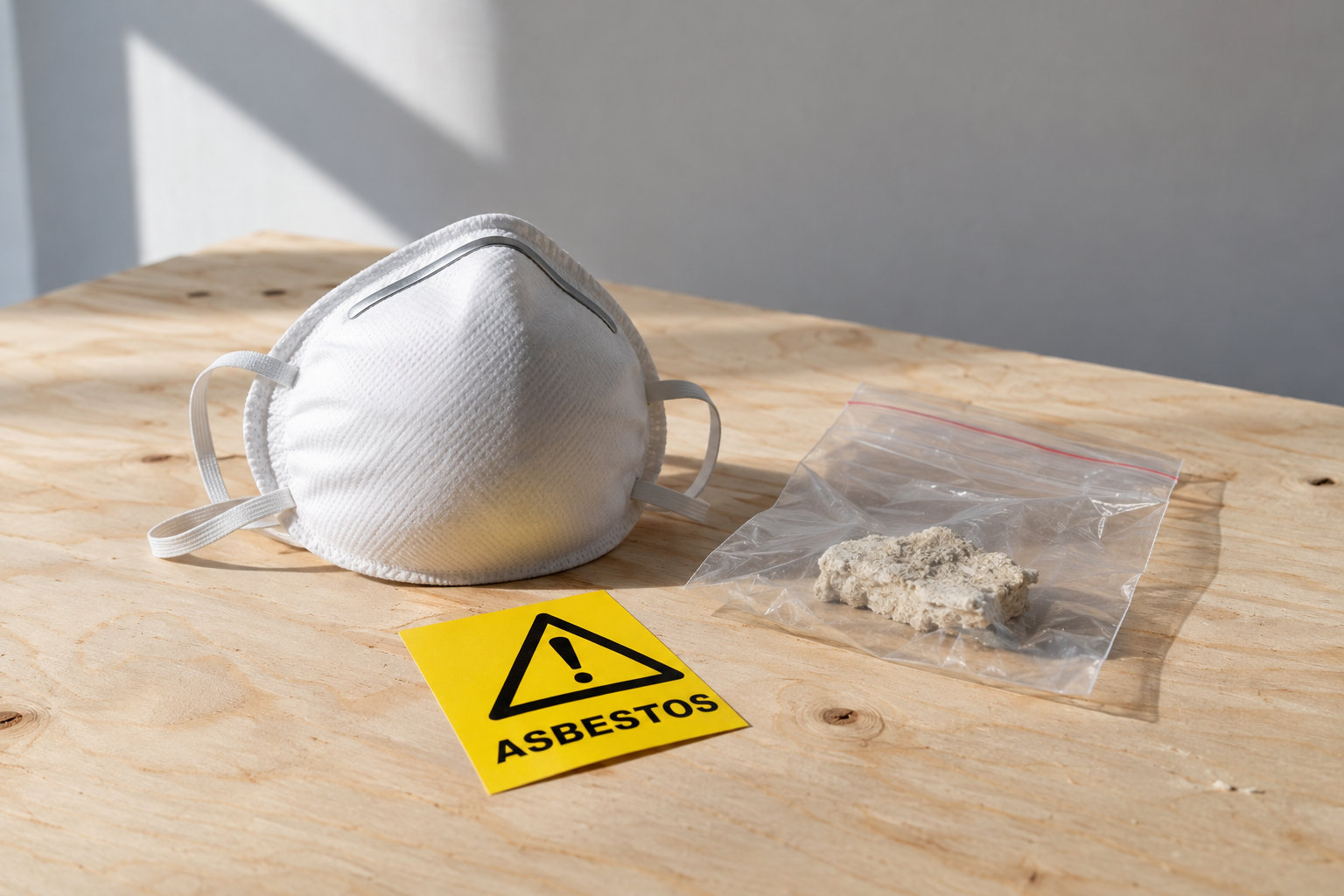
Hidden dangers like asbestos can be present in older properties. Uncovering these hazards too late can derail a project, create unplanned costs, and put health at risk. Conducting proper checks at the planning stage of your renovation is one of the most effective ways to keep your project on track and protect everyone involved. In cases where hazardous materials are identified, understanding the next steps for safe removal and following requirements for Asbestos Disposal in St Helens can prevent further problems down the line.
What is an asbestos survey and why is it important?
An asbestos survey is a structured assessment carried out to identify and assess the presence of asbestos-containing materials (ACMs) in a building. If your property was constructed before asbestos bans became comprehensive in the UK, it is sensible to assume asbestos might be present in walls, ceilings, floor tiles, or outbuildings. Surveys are primarily for homeowners, landlords, and commercial property managers planning any level of disruption to existing building fabric.
The survey provides a clear picture of where asbestos is located, what type it is, and whether it poses a risk if left undisturbed. It's an early step in the renovation timeline, ideally carried out before you finalise your plans or invite trades onsite. Early identification means you can budget for specialist work and prevent potential exposure or costly delays if asbestos is found after works have started.
When do you need an asbestos survey?
You should arrange an asbestos survey whenever your project involves disturbing the structure of a building that may contain asbestos. Common triggers include:
- Removing walls, ceilings, or partitions
- Ripping out old kitchens or bathrooms
- Refurbishing lofts or attics
- Rewiring electrical cabling through old artex or insulation boards
- Taking down or altering garages, sheds, or outbuildings
- Replacing or repairing old roofs, soffits, or gutters
Even seemingly minor works, such as drilling into textured coatings or floor tiles, can release asbestos fibres. Surveys are also needed when converting commercial or mixed-use spaces, or before demolishing any part of a structure.
Understanding the different types of surveys
There are two main types of asbestos survey. A management survey is the standard assessment that locates ACMs likely to be disturbed during everyday occupation or maintenance. It is suitable for ongoing management of premises and is not sufficient when significant renovations are planned.
For any work that will disturb the fabric of the building, such as refurbishments or demolitions, a refurbishment and demolition survey is required. This is more intrusive and involves opening up parts of the structure to properly check hidden materials. The type of survey you need is determined by the nature of your renovation, so check with a qualified surveyor before you begin.
How surveys are carried out
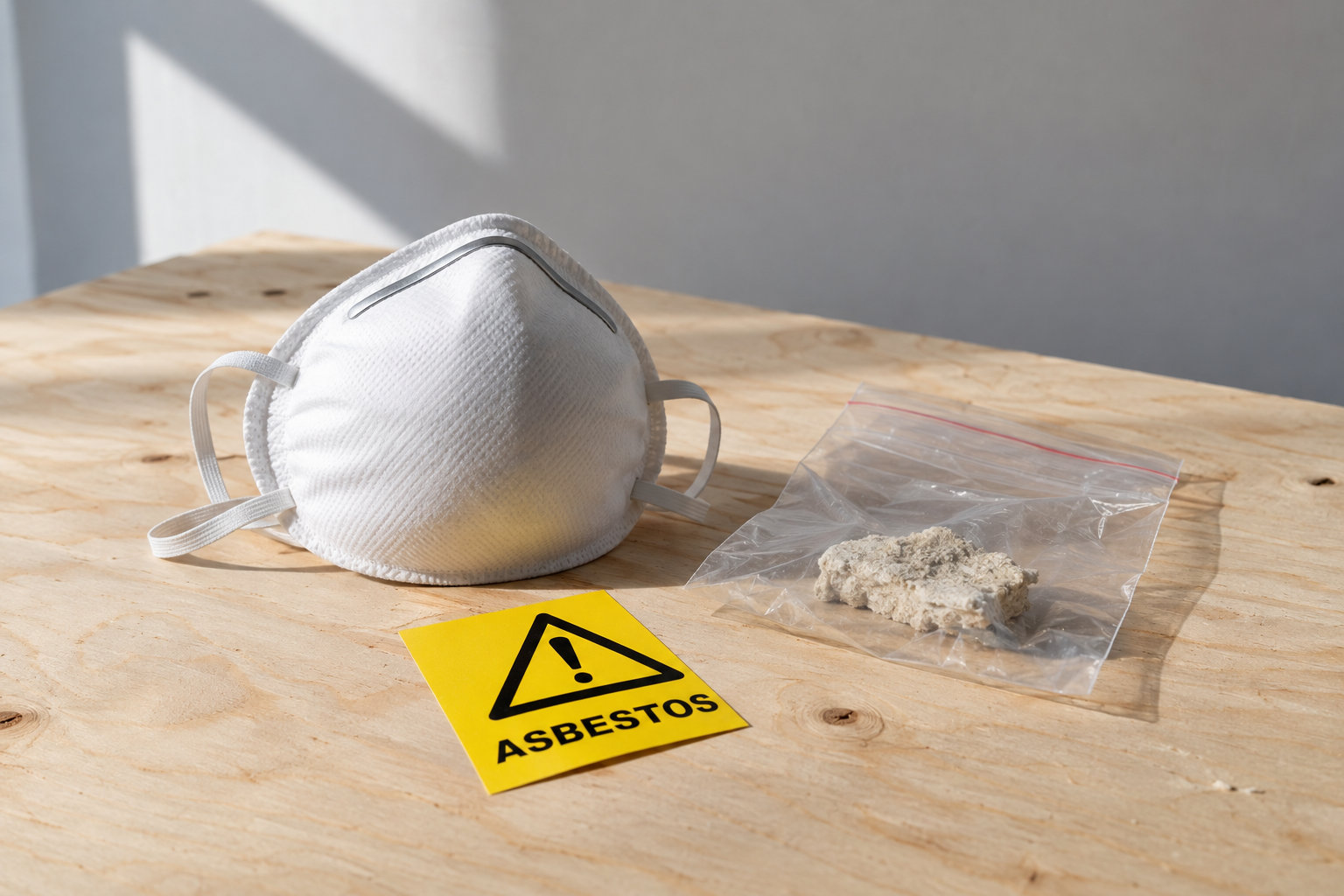
Licensed surveyors begin with a visual inspection and systematically examine suspect materials. Samples are carefully taken and sealed before laboratory tests confirm whether asbestos is present and, if so, which type. Following analysis, you receive a report or asbestos register, which clearly maps out the locations, types, and condition of any ACMs found.
This report provides crucial guidance for your builders, electricians, and other trades. It allows them to work safely, avoid disturbing risky areas, and plan any necessary removals or encapsulation works in compliance with regulations.
Planning your project after the survey
The findings of an asbestos survey influence various stages of your renovation plan. If asbestos is present, your method statement will need to address controlled removal or risk management. Certain sequences or isolations may be required to keep disturbed areas contained.
Licensed contractors must handle the removal, packaging, and suitable waste transfer of hazardous materials. For larger projects, you may need to coordinate specialist local asbestos disposal services, ensuring all waste leaves the site legally and safely. Ignoring or mishandling asbestos can result in legal consequences, delays, and increased costs if rectification is needed mid-project.
Legal responsibilities and duty of care
Property owners, landlords, and contractors each have obligations to protect anyone who may be affected by asbestos exposure on renovation sites. UK regulations require you to assess risks, share findings with workers, and arrange for safe removal and disposal if needed. Even as a homeowner, failing to take appropriate steps can result in liabilities if asbestos exposure harms occupants or workers. Contractors must not start work unless they have seen the relevant survey and understand the risks present.
Common pitfalls and how to avoid them
- Beginning work without an asbestos survey, risking accidental exposure or stop-work orders
- Assuming asbestos was removed by previous owners, or that newer décor means the material is absent
- Attempting DIY sampling, which may be illegal and is dangerous without training and protective measures
- Overlooking outbuildings, garages, or pipe lagging in hard-to-see locations
- Failing to pass the survey report to all relevant contractors, so unsafe practices continue unknowingly
By treating asbestos surveys as a routine preparation step, rather than a last-minute hurdle, you create safer renovation conditions and give your trades the information needed to work efficiently. Identifying and managing risks early in the process means fewer surprises, making your renovation smoother and far less stressful for everyone involved.