The Right Concrete Equipment: How to Choose the Best for Your Project

The Right Concrete Equipment: How to Choose the Best for Your Project
Concrete is one of the most versatile building materials available. From small garden paths to large structural foundations, the quality of your result depends heavily on the equipment you use. The right tools make the job easier, more precise, and ensure a stronger, longer-lasting finish. Here’s a guide to help you choose the best concrete equipment for your project – whether you’re laying a patio, building a driveway, or pouring a foundation.
Start by Assessing the Scope of Your Project
Before you begin, think about the size and type of work you’re planning. Are you mixing a small batch for fence posts, or are you pouring a large slab for a garage floor? The amount of concrete and the level of precision required will determine what equipment you need.
- Small projects such as steps, post holes, or small bases can be managed with hand tools and a compact electric mixer.
- Medium projects like patios or shed bases often require a larger mixer, vibrating tools, and levelling equipment.
- Large projects such as foundations or retaining walls call for professional-grade tools like concrete pumps, laser levels, and power trowels.
The larger the project, the more important it is to use equipment that can handle the volume efficiently and maintain consistent quality.
Mixing – The Heart of Every Concrete Job
A good concrete mix is essential for strength and durability, and the right equipment makes all the difference.
- Concrete mixer: For small jobs, an electric drum mixer is usually sufficient. It ensures an even mix and saves time compared to hand mixing. For bigger projects, consider hiring a forced-action mixer for a more uniform consistency.
- Measuring tools: Use a water gauge and scales to get the correct ratio of cement, sand, aggregate, and water. Too much or too little water can weaken the mix.
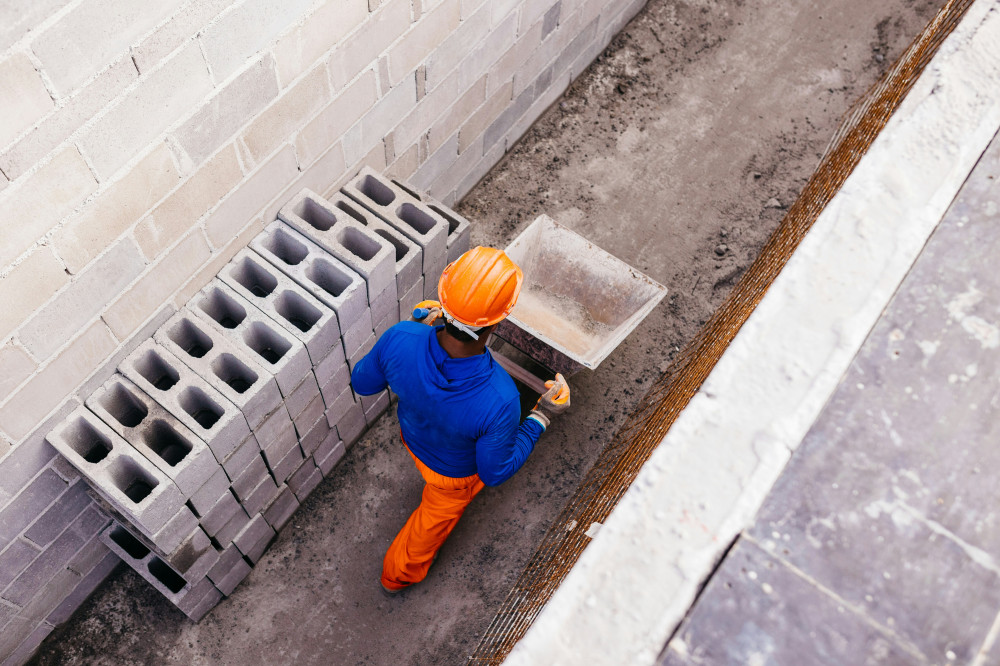
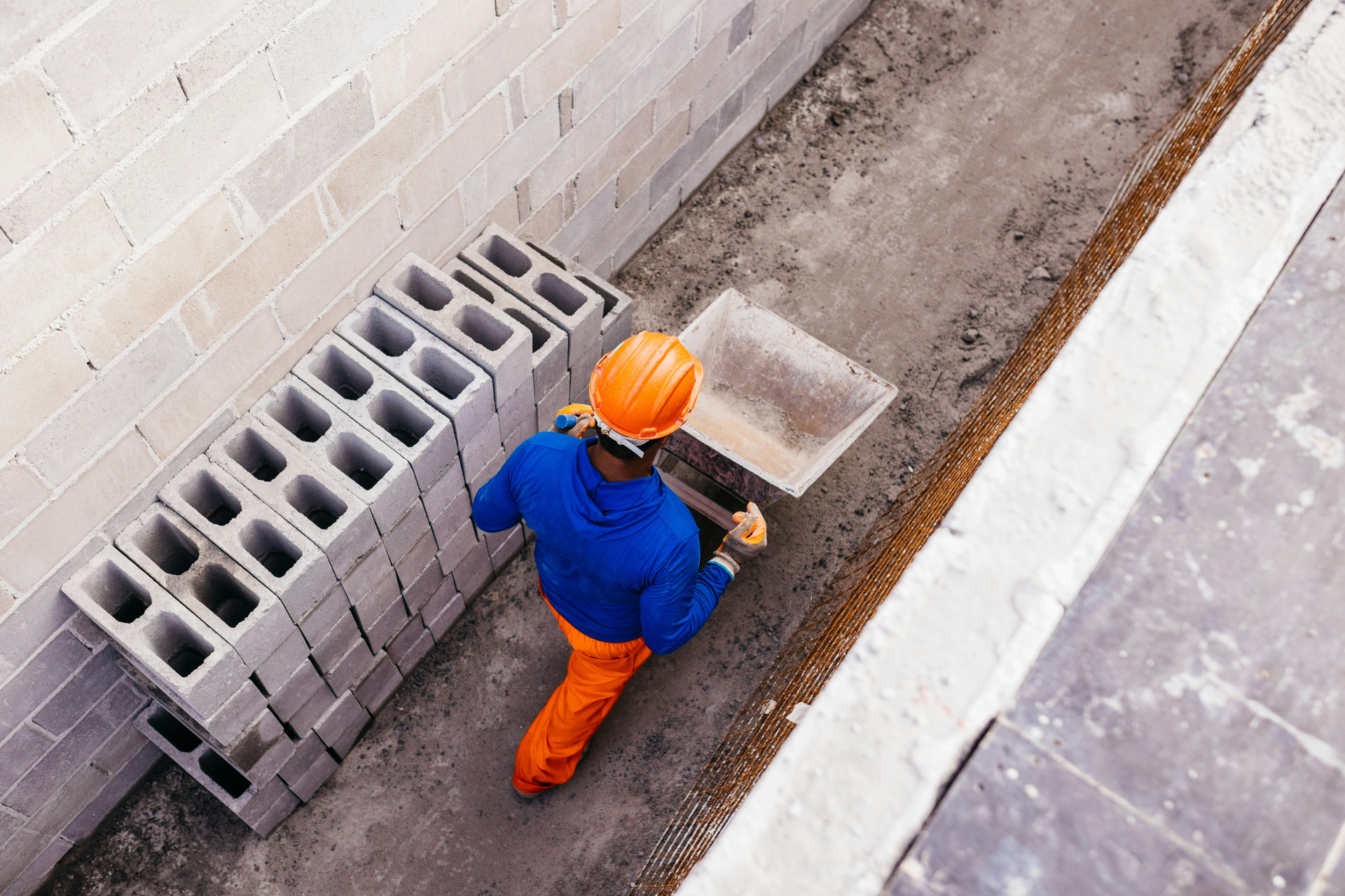
- Wheelbarrow and shovel: Simple but indispensable for transporting and distributing concrete on smaller sites.
If you need large quantities, ordering ready-mixed concrete from a local supplier can be more efficient – but you’ll still need the right tools to spread and finish it properly.
Tools for Laying and Levelling
Once the concrete is mixed, it needs to be spread and levelled before it starts to set. The right tools will help you achieve a smooth, even surface.
- Straight edge or screed board: Used to level the surface by drawing it across the top of the concrete. Aluminium screeds are lightweight and accurate.
- Concrete rake: Helps distribute the mix evenly, especially over larger areas.
- Float and trowel: A float smooths the surface as the concrete begins to firm up. A steel trowel gives a polished finish, while a plastic one is better for textured surfaces.
- Vibrator or poker: Removes air pockets and ensures the concrete settles tightly around reinforcement, improving strength and reducing cracking.
Work methodically in sections so you can finish each area before the concrete begins to harden.
Reinforcement and Formwork – The Structure Behind the Strength
Even the best concrete needs proper formwork and reinforcement to perform well. The right setup ensures stability and durability.
- Formwork boards: Used to shape the concrete. They can be made of timber, plastic, or metal. Make sure they’re sturdy and sealed to prevent leaks.
- Reinforcing bars and spacers: Reinforcement adds strength and prevents cracking. Spacers keep the steel in the correct position within the concrete.
- Tying wire and pliers: Used to secure the reinforcement so it doesn’t move during pouring.
Accurate formwork and reinforcement are the foundation of a strong, lasting result.
Finishing and Curing
Once the concrete is laid, it needs time and care to cure properly. Rushing this stage can lead to cracks and weak spots.
- Plastic sheeting or curing blankets: Cover the surface to prevent it from drying too quickly. This helps avoid shrinkage cracks and improves strength.
- Water sprayer or hose: Keep the surface damp for several days, especially in warm or windy weather.
- Edging tools and trowels: Use these to neaten edges and remove excess material as the concrete begins to set.
Proper curing can take several days, but patience pays off with a stronger, more durable finish.
Læs også:


Safety and Comfort
Concrete work can be physically demanding, so it’s important to protect yourself and work safely.
- Gloves and safety glasses: Cement is caustic and can irritate skin and eyes.
- Dust mask: Essential when handling dry cement or cutting concrete.
- Knee pads and sturdy footwear: You’ll spend time kneeling and standing on hard surfaces, so comfort and protection matter.
A safe, comfortable workspace helps you stay efficient and avoid injuries.
Hire or Buy – What’s Worth It?
If you’re only tackling one project, hiring equipment is often the most cost-effective option. Many UK tool hire companies offer everything from mixers to power trowels. If you plan to take on multiple projects, investing in your own basic tools can be worthwhile.
Consider how often you’ll use the equipment and how much storage space you have. Quality tools last longer but also need proper maintenance.
The Right Equipment Delivers the Best Results
Choosing the right concrete equipment isn’t just about getting the job done – it’s about achieving quality, durability, and a professional finish. With the right tools, your work becomes easier, more accurate, and more enjoyable.
Whether you’re a DIY enthusiast or a professional builder, taking the time to plan and select the right equipment is one of the best investments you can make for a solid and lasting result.
Læs også: