Safety First: How to Work Safely with Tools for Removing Old Materials

Safety First: How to Work Safely with Tools for Removing Old Materials
When you start a renovation project, it often begins with removing old materials – paint, tiles, wallpaper, flooring, or sealant. It might seem straightforward, but the work can involve dust, sharp tools, and potentially hazardous substances. That’s why safety should always come first. Here’s a guide to help you work safely and efficiently when removing old materials in your home.
Know the Materials – and Their Risks
Before you start scraping, sanding, or breaking anything down, it’s important to understand what you’re dealing with. Older buildings in the UK may contain materials that require special handling.
- Asbestos can be found in old ceiling tiles, pipe insulation, and floor coverings. It must only be removed by licensed professionals.
- Lead paint was commonly used before the 1990s and can release toxic dust when sanded. Always wear a respirator and avoid dry sanding.
- Mould may hide behind wallpaper or panels. Use gloves and a mask, and take care not to spread spores.
If you’re unsure, have the materials tested before you begin. It could save you from health risks and costly mistakes later.
Choose the Right Tools
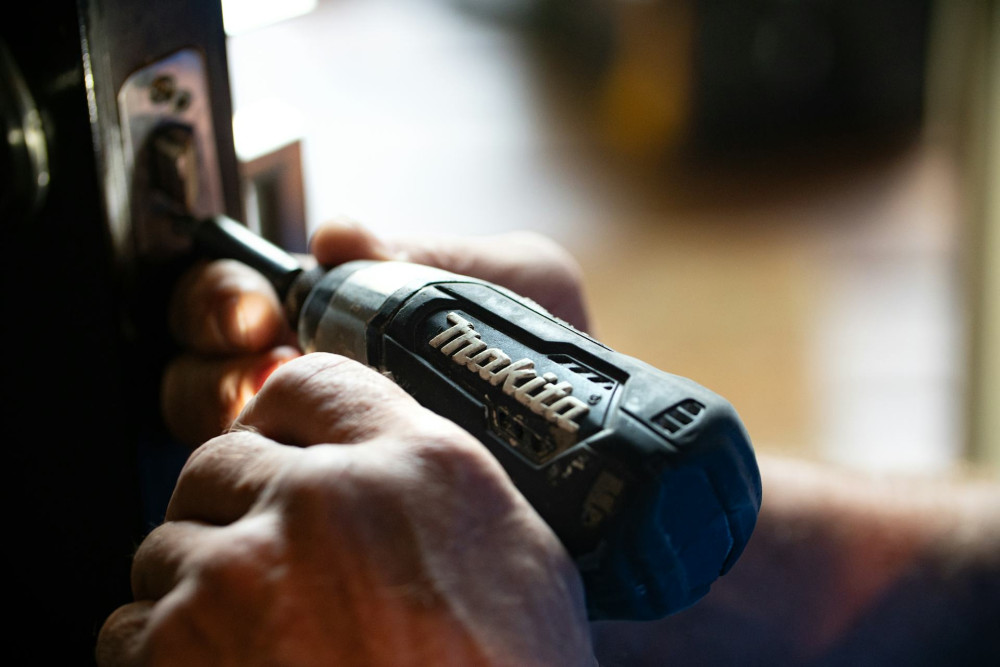
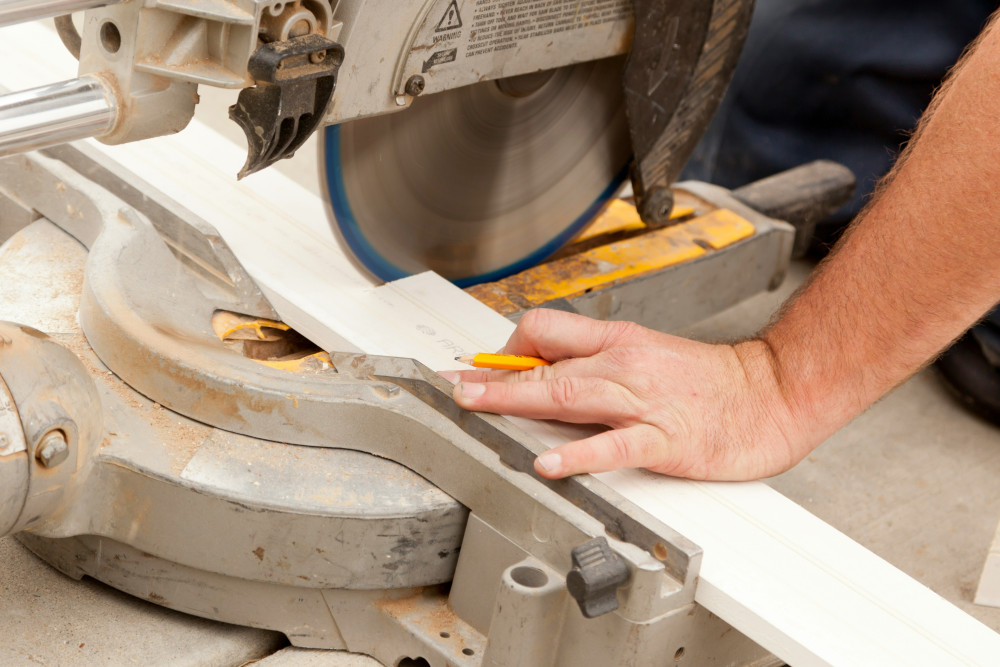
The right tools make the job not only easier but also safer. Use tools suited to the task and make sure they’re in good condition.
- Scrapers and putty knives are ideal for paint and wallpaper, but choose ergonomic handles to reduce strain.
- Multi-tools or hammer drills can remove tiles and grout effectively, but they require a steady hand and proper protection.
- Heat guns can soften paint, but be cautious of fire hazards and toxic fumes.
- Vacuum cleaners with HEPA filters are essential when working with dusty materials.
Always read the manufacturer’s instructions and use tools as intended – many accidents happen when people try to improvise.
Wear the Right Protective Gear
Even small jobs can cause injuries if you’re not properly protected. Make sure you have the following before you start:
- Safety goggles – protect your eyes from dust, splinters, and chemicals.
- Respiratory protection – choose a mask suitable for the type of dust or fumes.
- Gloves – use cut-resistant gloves when handling sharp tools.
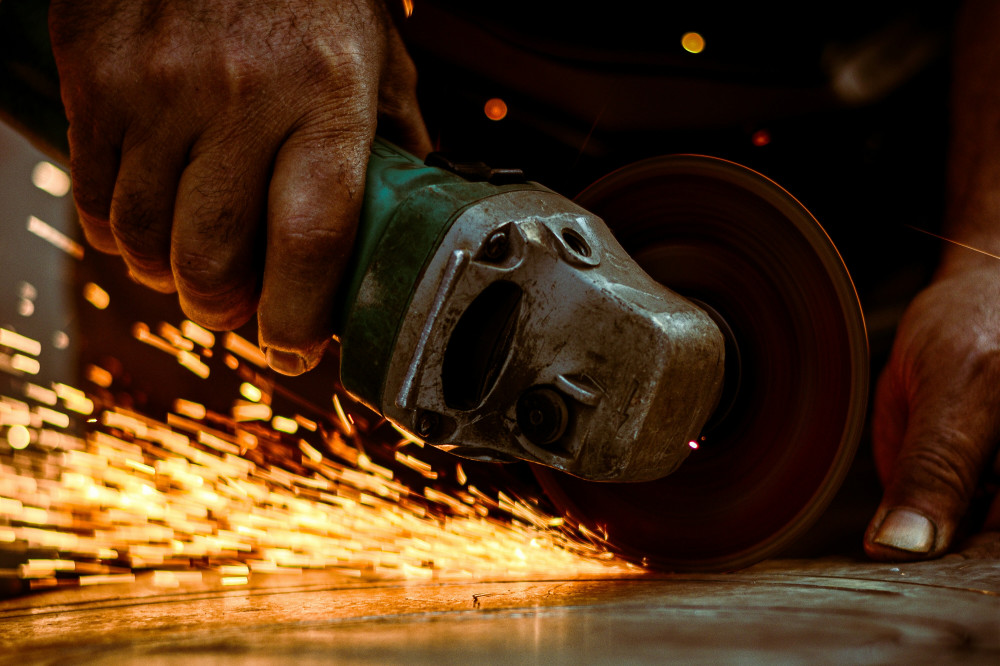
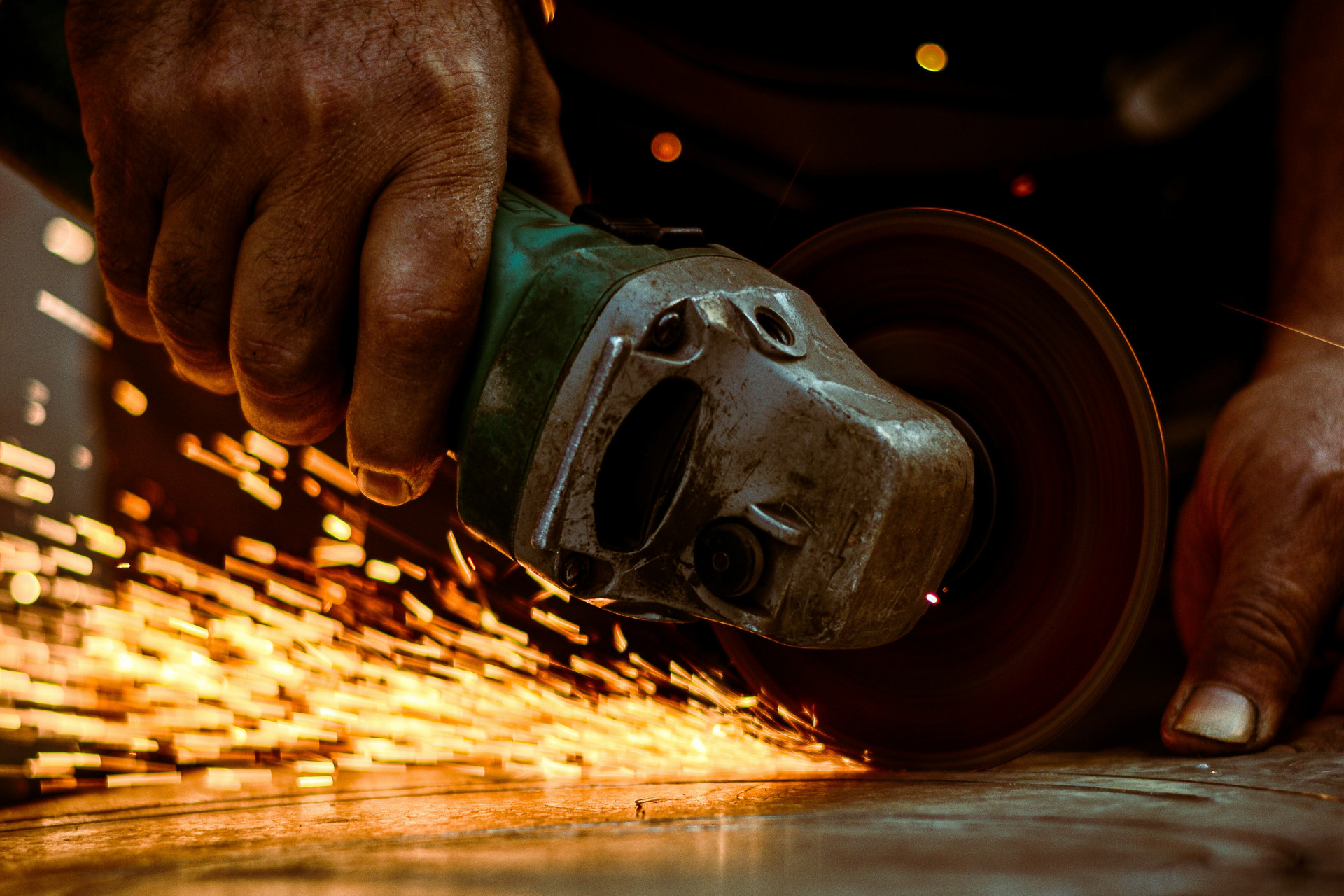
- Hearing protection – essential when using loud power tools.
- Work boots and clothing – sturdy footwear and long sleeves reduce the risk of cuts and scrapes.
It might seem like a lot of gear, but it’s a small investment in your own safety.
Keep the Area Ventilated and Organised
Removing old materials often releases dust and fumes. Keep windows open and, if possible, use a fan to create airflow. Close doors to other rooms to prevent dust from spreading throughout the house.
Keep your workspace tidy. Remove loose cables, debris, and tools you’re not using. Many accidents happen because of clutter or loss of focus during the job.
Læs også:
Take Breaks and Work at a Steady Pace
Removing old materials can be physically demanding. Repetitive movements and heavy lifting can cause strain injuries if you’re not careful. Take regular breaks and change your working position often. Use aids such as knee pads, step ladders, or lifting trolleys when needed.
Remember, safety also means listening to your body. Fatigue and stress increase the risk of mistakes and accidents.
Dispose of Waste Properly
Old materials must be disposed of correctly. Separate your waste and take hazardous materials – such as paint, adhesives, and chemicals – to your local recycling centre. This protects both the environment and the people handling the waste after you.
If you suspect materials contain asbestos or lead, do not put them in general building waste. Contact your local council for advice on safe disposal.
Safety Is Part of Good Craftsmanship
Working safely isn’t just about avoiding accidents – it’s about achieving better results. When you plan your work, choose the right tools, and protect yourself properly, the process becomes more efficient and professional. So next time you pick up a scraper or power tool, remember: safety first – it always pays off.
Læs også: