Purchasing Safety Equipment: Plan According to Property Type and Individual Needs

Purchasing Safety Equipment: Plan According to Property Type and Individual Needs
Creating a safe home is about more than locking the door – it’s about taking a holistic approach. The right safety equipment can prevent burglary, fire, and accidents, but the needs differ depending on where and how you live. A city flat requires different measures than a detached house in the countryside, and a family with children will have other priorities than a single pensioner. Here’s a guide to planning your purchase of safety equipment according to property type and individual needs.
Start with a Risk Assessment
Before buying any equipment, it’s worth assessing which risks are most relevant to you. Consider:
- Location: Is your home in an area with higher burglary rates, or is flooding or fire a greater concern?
- Property type: Do you live in a flat, terraced house, or detached home? Access points and exposure vary.
- Personal circumstances: Do you have children, elderly relatives, or pets who need special consideration?
- Valuables: Do you keep electronics, jewellery, or important documents that require extra protection?
A realistic assessment helps you prioritise effectively – avoiding unnecessary purchases while ensuring key risks are covered.
Flats: Focus on Access and Fire Safety
In a flat, the risk of burglary is often lower than in a house, but access control and fire safety are crucial.
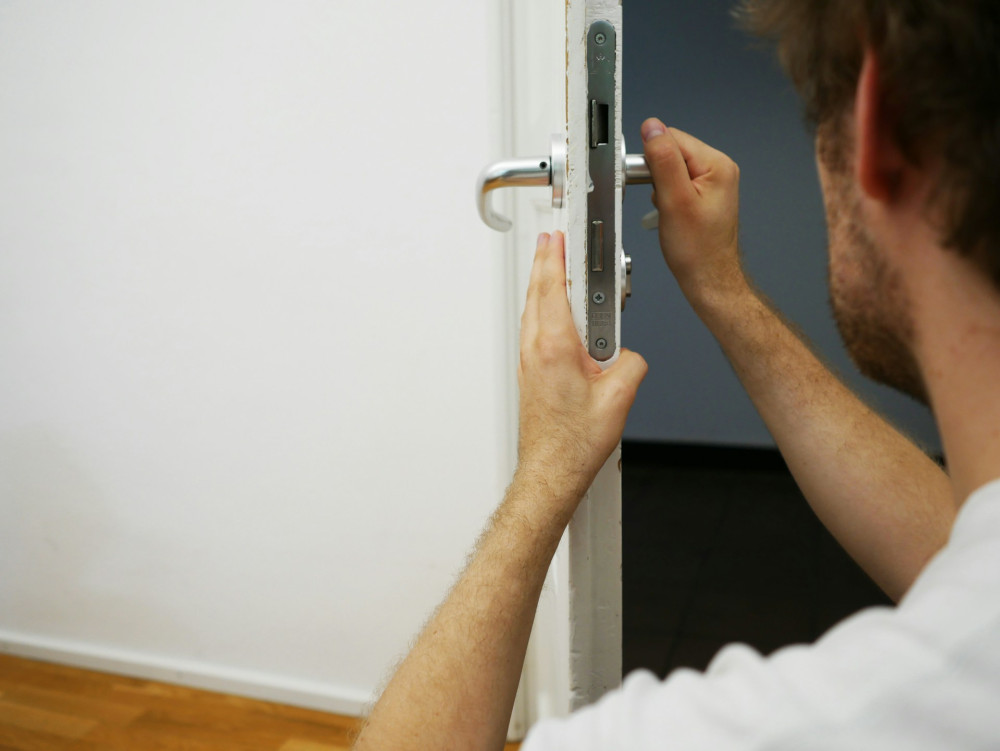
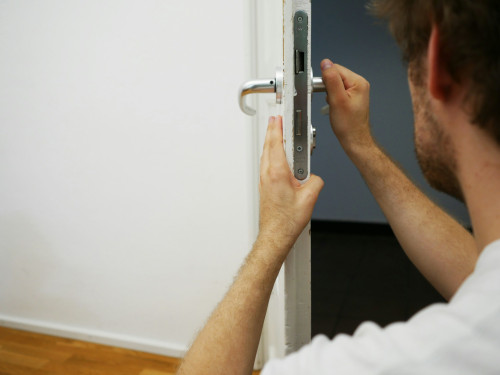
- Door and window security: A solid front door with a British Standard-approved lock and a door viewer or video intercom increases safety. Ground-floor windows should have lockable handles.
- Smoke alarms: Fit at least one on each level and in main living areas. Interlinked alarms ensure all sound simultaneously in an emergency.
- Fire extinguisher and fire blanket: A small kitchen fire blanket and a 1–2 kg dry powder extinguisher can make a big difference.
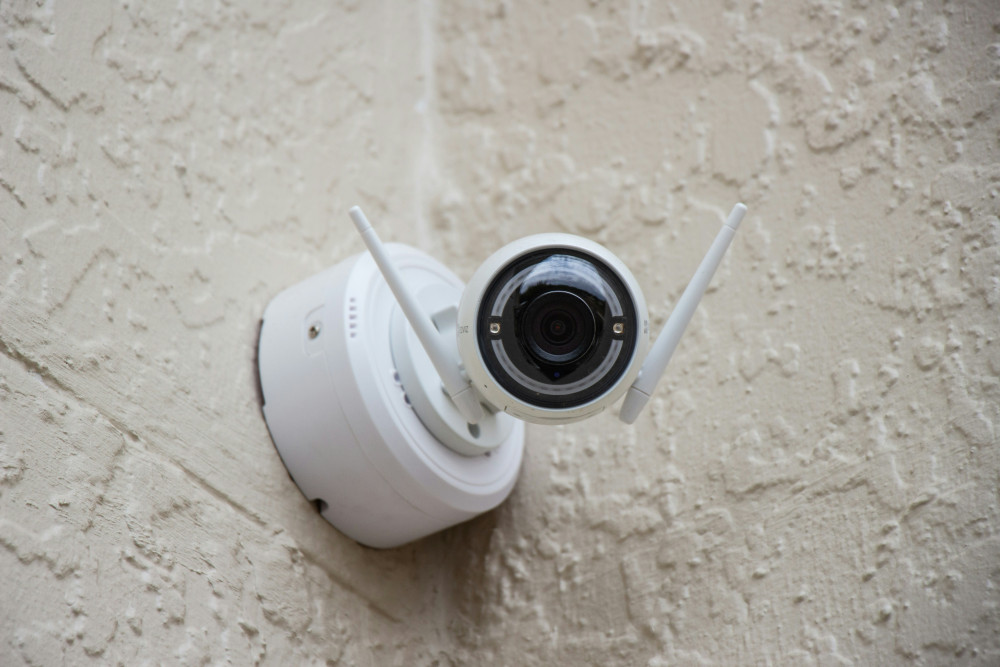
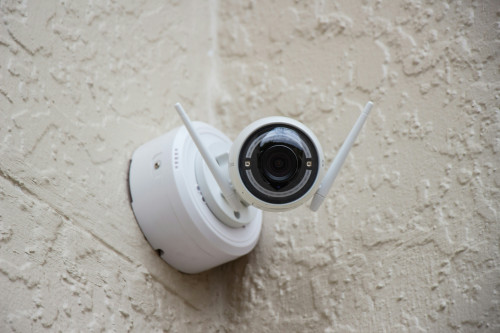
- Entry monitoring: A smart doorbell or small camera at the entrance can provide extra peace of mind.
In blocks of flats, it’s also essential to know the fire escape routes and ensure communal areas remain clear.
Terraced and Detached Houses: Comprehensive Home Protection
Houses have more entry points – and therefore more areas to secure.
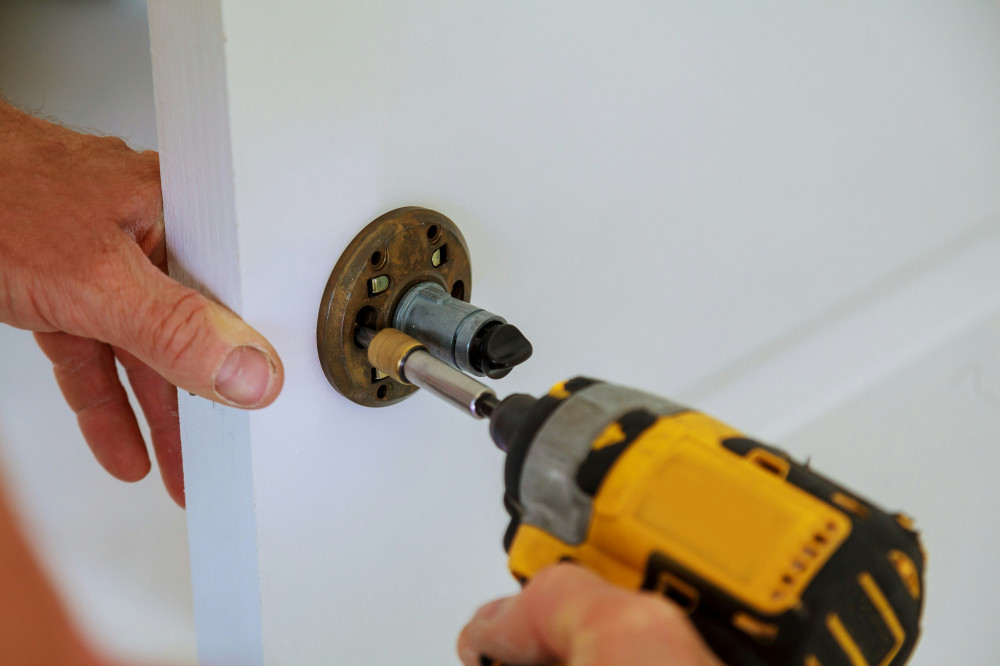
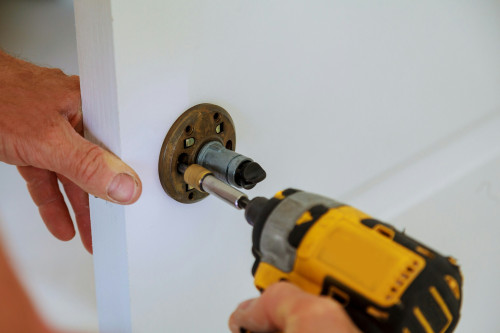
- Burglary prevention: Quality locks, sturdy doors, and window security fittings are essential. Outdoor lighting with motion sensors can deter intruders.
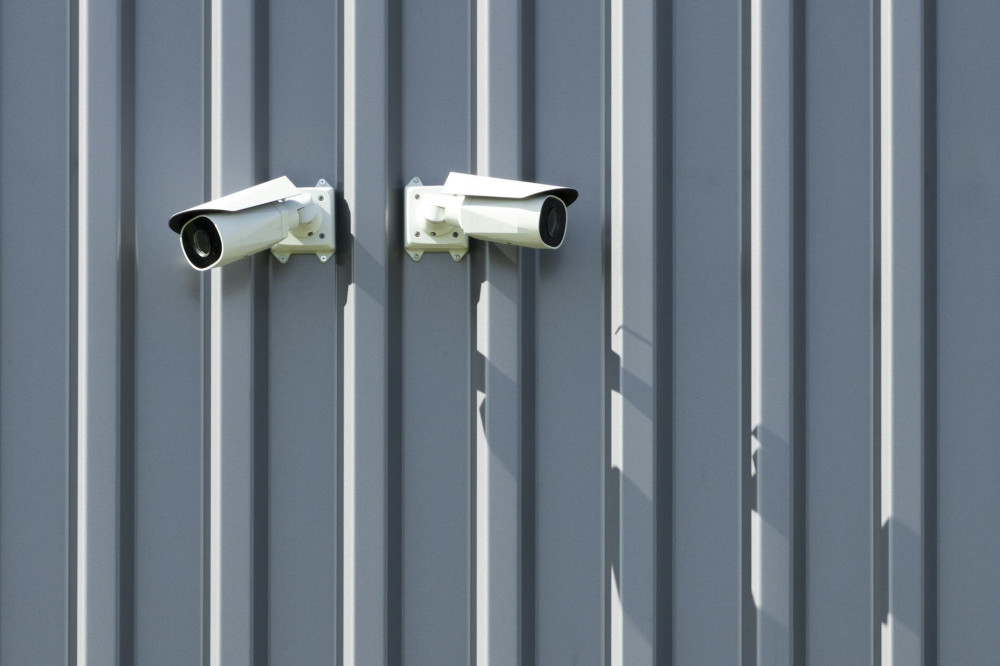
- Alarm and surveillance: A home alarm system covering doors and windows can be linked to your smartphone. Cameras at the driveway or garden can act as a deterrent.
- Fire and water protection: Install smoke alarms in every room and consider water leak detectors in basements or utility rooms. If you have a fireplace or wood burner, keep a suitable extinguisher nearby.
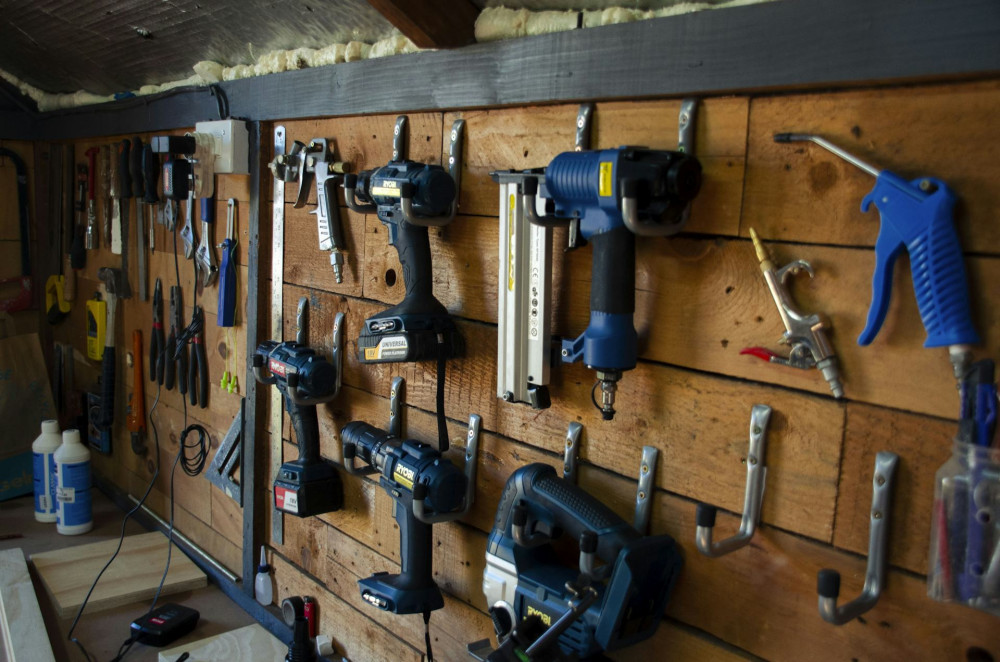
- Outdoor security: Lock sheds and garages so tools can’t be used for break-ins. Secure gates and fences to limit access.
Regularly check that alarms, locks, and lighting are working properly and replace outdated equipment when needed.
Families with Children: Everyday Safety
When children are at home, safety is as much about preventing accidents as it is about deterring intruders.
- Childproofing: Fit locks on cupboards containing cleaning products, use socket covers, and install stair gates and corner protectors.
- Smoke and carbon monoxide alarms: Especially important if you use gas appliances or have a fireplace.
- First aid kit: Keep a well-stocked kit easily accessible, and teach children what to do in an emergency.
- Peace of mind for parents: Baby monitors with cameras or motion sensors can help you keep an eye on little ones.
Involving children in safety routines – such as practising fire drills – can make them feel more confident and secure.
Læs også:

Seniors: Safety and Accessibility
For older residents, safety often means being able to move around confidently and get help quickly if needed.
- Fall prevention: Ensure good lighting, non-slip mats, and grab rails in bathrooms.
- Personal alarms: A wearable alarm or pendant with an emergency button can provide reassurance for those living alone.
- Smart home systems: Automated lighting, door locks, and monitoring systems can alert family members if something seems unusual.
- Fire safety: Choose smoke alarms with loud signals and flashing lights if hearing is impaired.
Small adjustments can make a big difference to both safety and quality of life.
Technology and Smart Security
Modern safety equipment is becoming increasingly intelligent. Smart home systems can integrate multiple functions – such as alarms, cameras, and lighting – into one app. This offers flexibility and control but also requires attention to data security and strong passwords.
Decide whether you prefer a professionally monitored system with a subscription or a self-managed setup. Both can be effective, depending on your comfort level and technical confidence.
Plan and Prioritise
Securing your home doesn’t have to happen all at once. Start with the essentials – such as smoke alarms and quality locks – and build from there. Create a plan outlining what to buy now and what can wait.
Remember, safety isn’t just about equipment but also about habits: locking doors, switching off appliances, and staying alert. True peace of mind comes when technology and common sense work hand in hand.
Læs også: