Annual Roof Check: How to Spot Wear and Damage

Annual Roof Check: How to Spot Wear and Damage
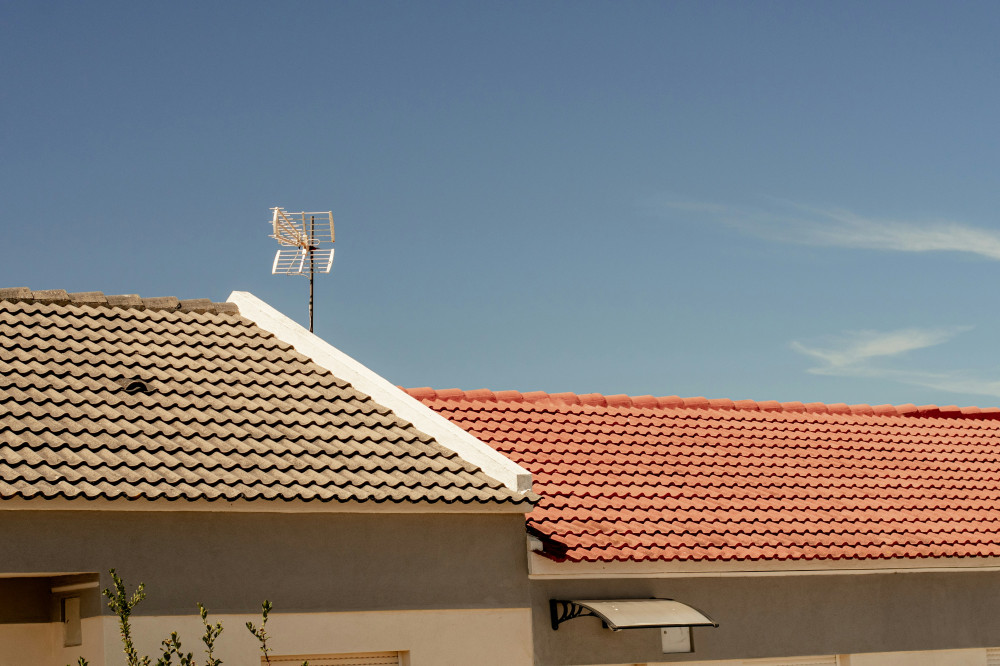
Your roof is your home’s first line of defence against the British weather – from heavy rain and frost to strong winds and summer sun. It’s also one of the most exposed parts of your property. A yearly roof inspection can make the difference between a well‑protected home and costly repairs. Many issues develop slowly and can be caught early if you know what to look for. Here’s a guide to spotting signs of wear and damage – and knowing when to call in a professional.
Why an Annual Roof Check Matters
Roofs in the UK face constant exposure to moisture, temperature changes and storms. Over time, this can lead to cracked tiles, loose flashing or leaks. If left unchecked, water can seep into the roof structure or loft, causing damp, rot and mould. A yearly inspection helps you catch small problems before they become major ones – saving you both money and stress.
The best time for a roof check is in spring or early autumn, when the weather is mild and dry. This allows you to assess how the roof has coped with winter and prepare it for the wetter months ahead.
Læs også:

Start with a Safe Inspection from the Ground
You don’t always need to climb onto the roof to spot potential issues. Much can be seen from the ground using binoculars or a camera with a zoom lens. Look out for:
- Missing, cracked or slipped tiles, especially after storms.
- Discolouration or dark patches, which may indicate damp or moss growth.
- Overflowing or sagging gutters, suggesting blockages or leaks.
- Moss and algae, which trap moisture and can damage roof materials over time.
If you notice anything unusual, you can then decide whether a closer inspection is needed.
Checking the Roof Up Close – Safely
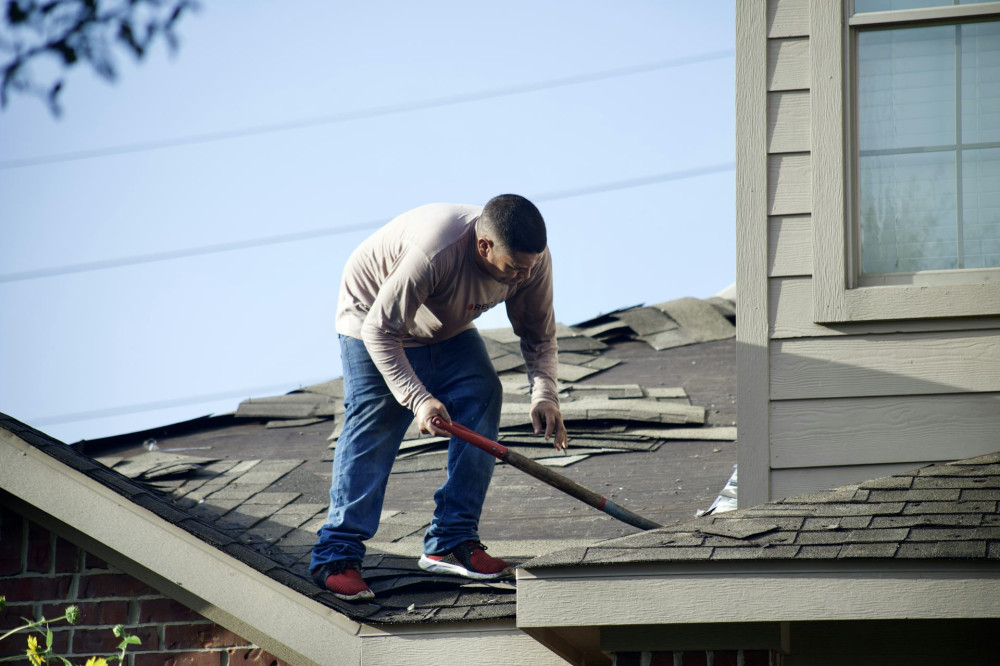
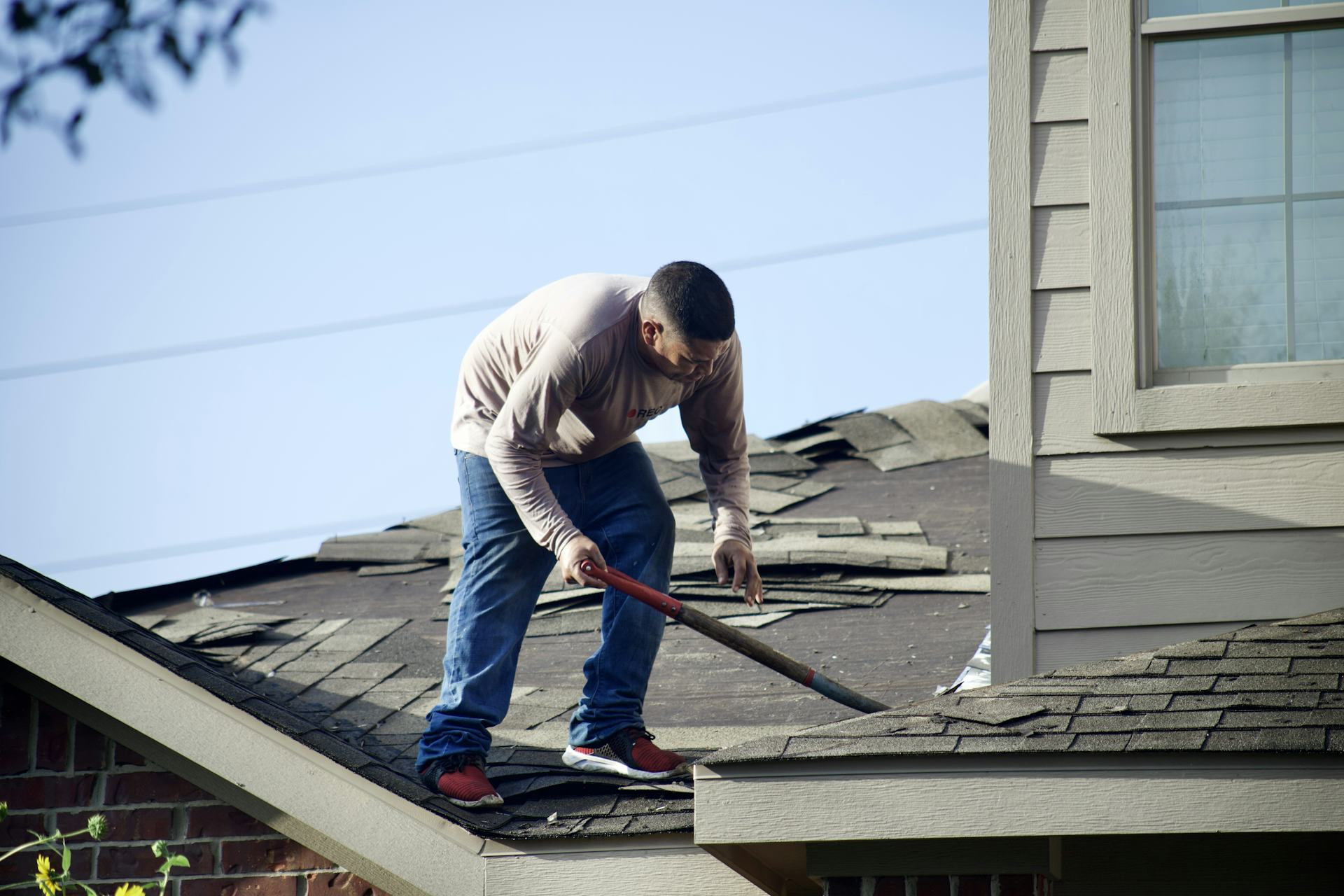
If you do need to get closer, always put safety first. Use a sturdy ladder on level ground, and never climb onto the roof when it’s wet, icy or windy. For steep or high roofs, it’s best to hire a professional roofer.
When inspecting up close, look for:
- Cracks or broken tiles or slates.
- Loose or damaged flashing around chimneys, skylights and vents.
- Rust or corrosion on metal fittings and guttering.
- Signs of damp in the loft, such as dark stains, mould or a musty smell.
A simple test is to check the loft after heavy rain. Damp patches or drips are clear signs that water is getting through.
Don’t Forget Gutters and Downpipes
Gutters play a vital role in directing rainwater away from your home. If they become blocked with leaves, moss or debris, water can overflow and damage the roof, walls or foundations. Clean gutters at least once a year – ideally in late autumn after the leaves have fallen.
While cleaning, check that downpipes are clear and that water flows freely away from the house. Running water through them with a hose can help reveal any blockages.
Different Roof Types Need Different Care
- Clay or concrete tiles: Check for cracks, chips or slipped tiles. These materials are durable but can become brittle with age.
- Slate roofs: Look for missing or cracked slates and ensure fixings are secure. Slates can last for decades if properly maintained.
- Flat roofs (felt, bitumen or rubber): Inspect for blisters, cracks or pooling water. Even small splits can lead to leaks.
- Metal roofs: Watch for rust, loose screws or damaged sealant around joints.
- Thatched roofs: Look for uneven areas, moss growth or signs of nesting birds. Thatch should be inspected by a specialist every few years.
When to Call a Professional
Minor tasks, such as replacing a single tile or clearing gutters, can often be done by a confident DIYer. But if you find signs of leaks, structural damage or widespread wear, it’s time to contact a qualified roofer. A professional can assess the roof’s condition, carry out repairs safely and advise whether it’s nearing the end of its lifespan.
It’s also wise to arrange a professional roof survey every three to five years, especially if your property is older or exposed to harsh weather. A detailed inspection report can be useful for insurance or when selling your home.
A Healthy Roof Starts with Regular Attention
A well‑maintained roof can last for decades, but only if it’s cared for. A simple annual check doesn’t take long, yet it can prevent serious damage and extend your roof’s life considerably. With a bit of vigilance and timely maintenance, you can ensure your roof continues to protect your home from Britain’s ever‑changing weather for many years to come.
Læs også: