Is your insulation board choice sabotaging your construction project?
Is your insulation board choice sabotaging your construction project?
Insulation plays a crucial role in the energy efficiency, comfort, and overall sustainability of a building. Among the various types of insulation materials available, insulation boards are a popular choice for both residential and commercial construction projects. However, selecting the wrong insulation board can lead to serious setbacks, risking both time and money. This article will explore common pitfalls and considerations when choosing insulation boards and how they can impact your construction project.
Understanding Insulation Boards
Insulation boards are rigid panels designed for thermal insulation applications. They come in various materials, including polystyrene, polyurethane, and fiberglass. Each type has distinct properties, making them suitable for different applications and environments. Understanding these materials is essential for making an informed choice.
Material Properties and Performance
One of the most vital factors to consider is the thermal performance of the insulation board. Each material has a different R-value, which measures its resistance to heat flow. A higher R-value means better insulation effectiveness. If you opt for an insulation board with a low R-value, you might end up with inadequate thermal resistance, leading to increased heating and cooling costs.
Additionally, consider the moisture resistance of the insulation board. Boards that absorb moisture can lead to mold growth and structural damage. Choosing materials specifically designed for high-moisture environments, such as extruded polystyrene or mineral wool, can prevent these issues.
Installation Challenges
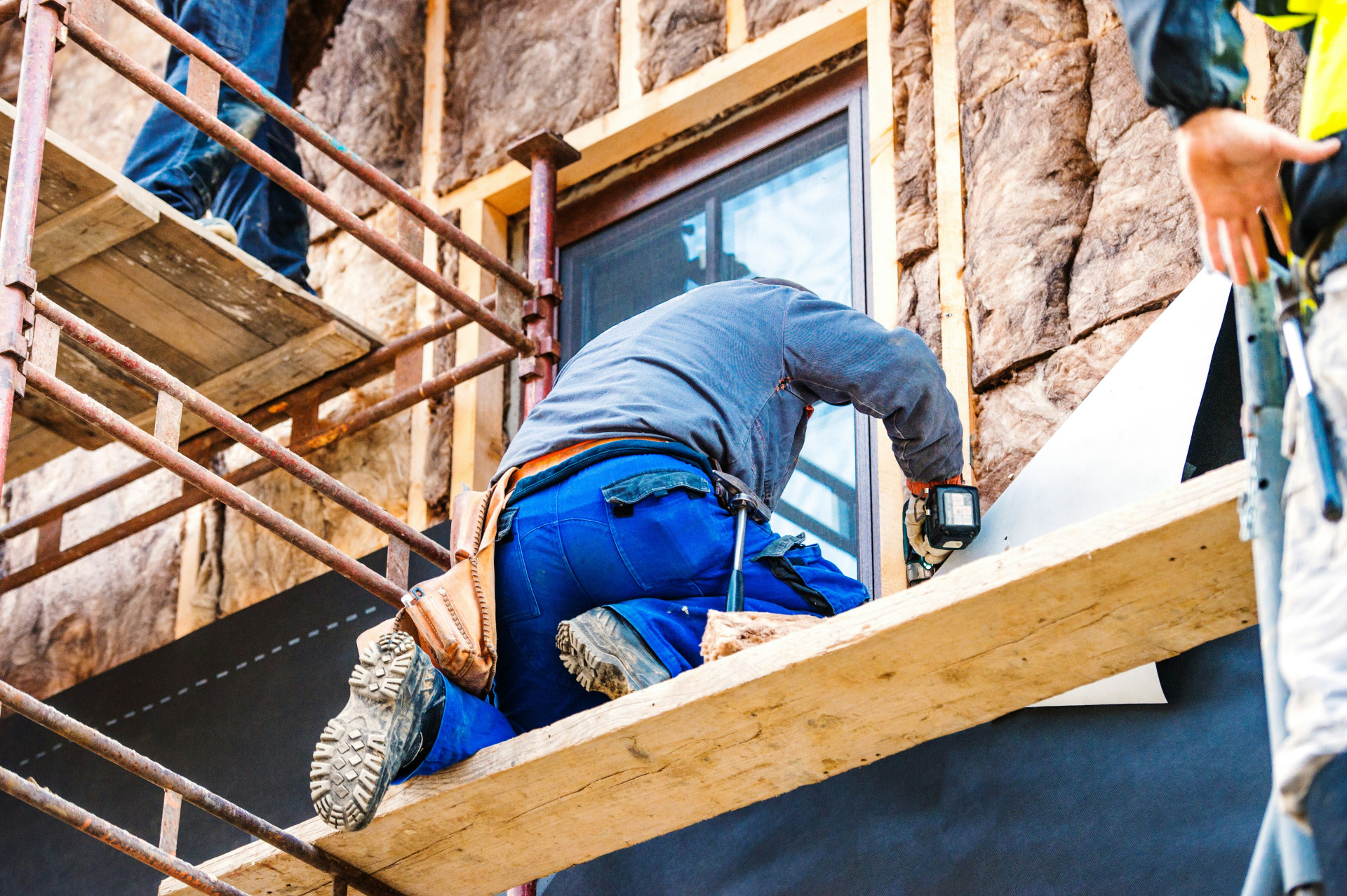
Even the best insulation boards can fail if not installed properly. The complexity of the installation process can vary between materials. Some boards require specialized tools and skills to fit correctly. For example, polyisocyanurate boards may need precise cutting and joining techniques, while fiberglass boards can be more forgiving.
It’s also essential to consider how the board integrates with other building elements. Gaps or seams not properly sealed can lead to air leaks, reducing the overall effectiveness of the insulation. Ensure that your chosen board’s installation guidelines match the skills and equipment available on your project site.
Cost vs. Quality: Finding the Balance
Total project budgets are often a primary concern for construction teams. It’s tempting to go for the lower-priced insulation board to save costs. However, cheaper options might not offer the same long-term benefits as higher-quality materials.
An inferior insulation board can lead to higher energy costs, reduced comfort, and potentially costly repairs down the line. By investing in higher-quality materials, you might pay more upfront but save significantly over the lifespan of the building.
Environmental Impact
With increasing awareness of climate change and sustainability, the environmental impact of construction materials has become a significant concern. Some insulation boards are produced using processes or materials that can be harmful to the environment.
For instance, traditional polystyrene boards may not be recyclable. On the other hand, boards made from cellulose or sheep wool can offer better sustainability credentials. Choosing environmentally friendly insulation options not only benefits the planet but can also enhance your project’s appeal, especially for eco-conscious clients.
Regulatory Compliance and Safety Standards
Before you finalize your choice of insulation board, its essential to ensure that it complies with local building codes and safety regulations. Specific areas have stringent requirements for fire resistance, structural integrity, and environmental guidelines.
Ignoring these regulations can lead to project delays, fines, or, in a worst-case scenario, the need to replace non-compliant materials after construction is completed. Its wise to consult the local building authority or a qualified professional to ensure compliance.
Conclusion: A Critical Decision
Your choice of insulation board plays a significant role in the success of your construction project. By carefully considering material properties, installation challenges, cost implications, environmental impact, and regulatory compliance, you can avoid sabotaging your project. Making informed choices right from the start not only preserves your budget but also enhances your buildings performance and sustainability. Keep in mind that the right insulation board can pave the way for a successful construction endeavor.