How to spot and treat dry rot before it damages your home

How to spot and treat dry rot before it damages your home
How to spot and treat dry rot before it damages your home
Dry rot is a common issue for homeowners, threatening the structural integrity of buildings and leading to costly repairs if left unchecked. Recognising its causes is crucial for effective prevention. Proactive measures can protect your property from this damaging fungus.
In many homes across the UK, especially in wetter climates such as Scotland, dry rot poses a significant risk to building structures. Understanding how to spot and carry out effective dry rot treatment is essential for preventing it from taking hold. This type of fungal decay thrives under specific conditions, making it vital for homeowners to recognise these conditions and take preventive measures. By implementing professional dry rot treatment strategies, you can safeguard your property from extensive damage.
Recognising dry rot and its impact on your home
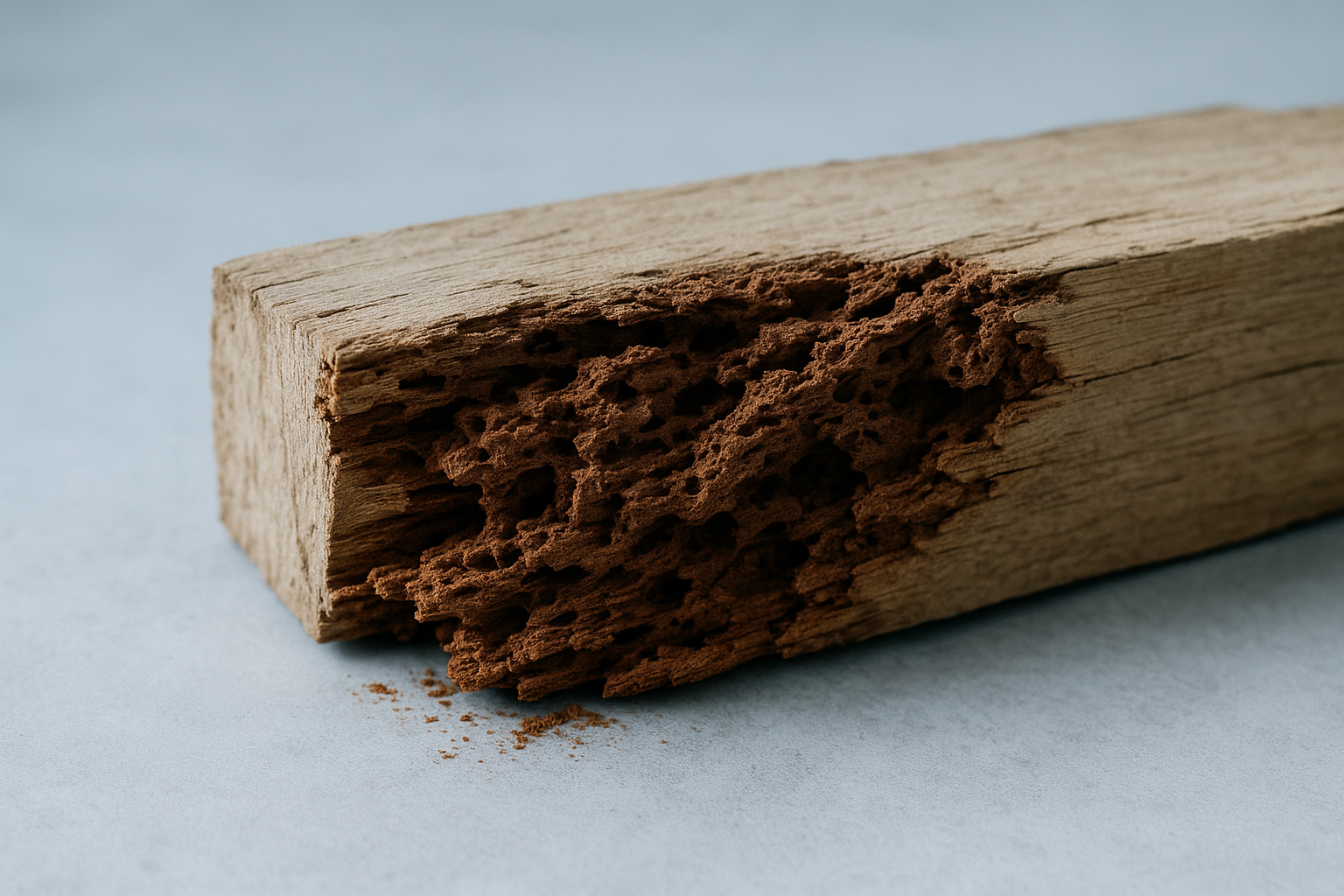
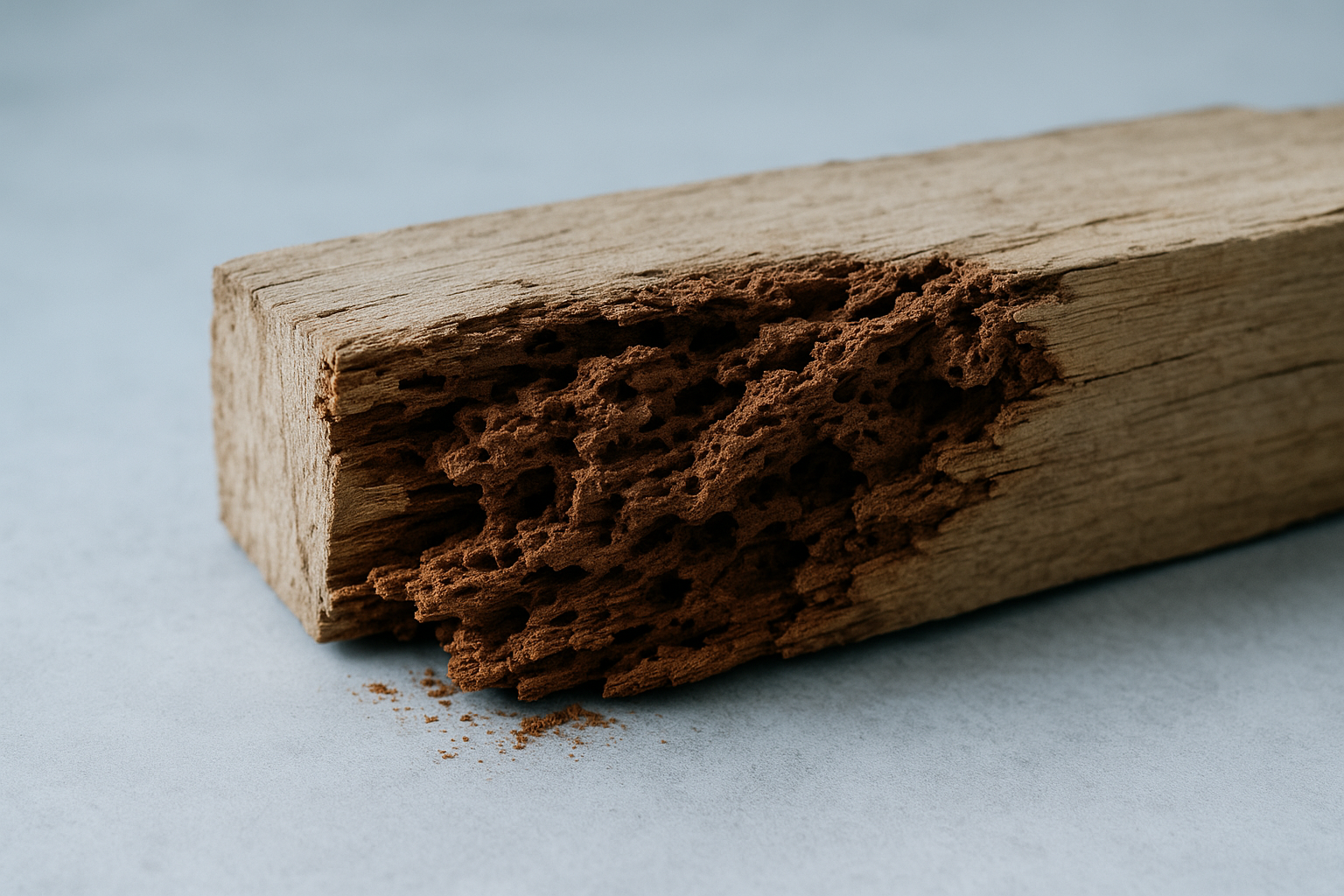
Dry rot is a type of timber decay caused by certain fungi that can severely damage timber structures in buildings. Unlike some other forms of wood decay that require constant direct contact with moisture, dry rot can spread through building materials, affecting areas far from the source of dampness. It feeds on the cellulose and hemicellulose within timber, causing it to weaken and crumble over time. This makes it a particularly insidious threat to any wooden elements in your home.
Recognising the early signs of dry rot is vital for preventing severe damage. You should be alert to a musty odour, indicative of fungal growth, and check for cracking or shrinking wood. Fruiting bodies, which resemble mushrooms or pancakes, may also appear and release spores into the air. These symptoms often indicate that dry rot has already taken hold, necessitating immediate intervention to prevent further structural damage.
In practice, dry rot is often first noticed around skirting boards, under bay windows or in suspended timber floors where ventilation is poor and small leaks can go unnoticed for months.
Early, targeted dry rot treatment is often the key to preventing extensive damage and maintaining the resilience of your timber.
Environmental factors contributing to dry rot
The primary cause of dry rot is excessive moisture combined with poor ventilation within your home. Areas such as basements or poorly ventilated crawl spaces are particularly vulnerable. The fungi responsible for dry rot thrive in damp environments where moisture levels are high. Leaks from roofs or plumbing can create ideal conditions for this decay to take root and spread across wooden structures.
As a rule of thumb, timber with a moisture content above about 20% is at much higher risk of fungal decay, so persistent dampness in concealed timbers should always be investigated.
Poor ventilation exacerbates the problem by trapping moisture inside, creating a breeding ground for fungal spores. Without adequate airflow, moisture remains trapped in enclosed spaces, allowing fungi to flourish unchecked. Structural repairs often become necessary once dry rot has taken hold, highlighting the importance of addressing these environmental factors before they lead to significant timber decay.
Monitoring humidity levels is a proactive way to keep timber decay at bay and preserve essential wooden frameworks.
Strategies to prevent and treat dry rot in your home
Preventing dry rot involves reducing moisture levels and improving ventilation in susceptible areas of your home. Regular inspections are crucial, helping to identify potential leaks and fix them promptly to avoid creating a habitat for fungi. Installing proper ventilation systems in attics, basements, and other enclosed spaces helps maintain airflow and reduces humidity levels significantly.
Moisture control through damp proofing techniques is another vital step in protecting your home from dry rot. Comprehensive damp proofing also helps limit the spread of fungal spores in vulnerable locations. Ensuring gutters are clean and functioning properly prevents water accumulating at the base of your property.
For comprehensive protection, consider seeking advice from damp proofing specialists in Scotland who can provide detailed assessments and recommend specific measures tailored to your home’s needs.
The importance of professional inspection and treatment
Taking proactive measures against dry rot is crucial for maintaining your home’s structural integrity and value. By understanding how to spot and treat this destructive fungus, you can implement preventive strategies that protect against timber decay. Regular maintenance checks play an essential role in identifying vulnerabilities before they escalate into costly structural repairs.
If you suspect dry rot in your home or wish to bolster your prevention efforts, consulting professionals experienced in building preservation is advisable. A professional dry rot survey will typically include moisture readings, tracing the source of damp, lifting small sections of flooring where necessary and checking adjacent timbers that may not yet show visible signs of decay. They offer valuable insights and solutions tailored to safeguarding your property effectively.
For homeowners in Scotland, where weather patterns often encourage damp conditions, arranging a professional damp and timber survey at the first sign of trouble is one of the most effective ways to protect both your property and your peace of mind.